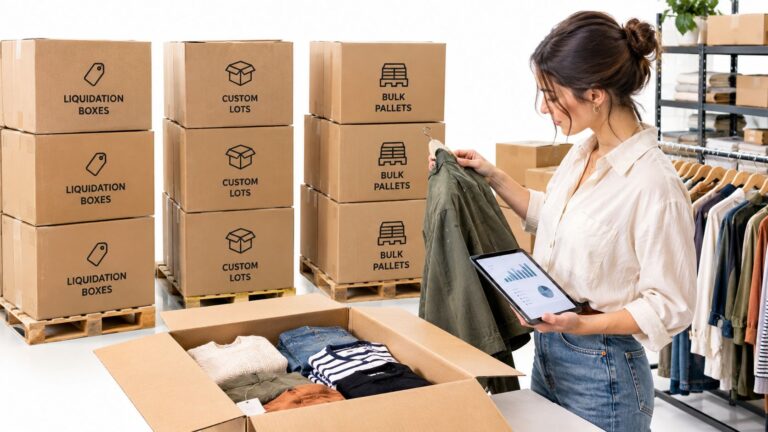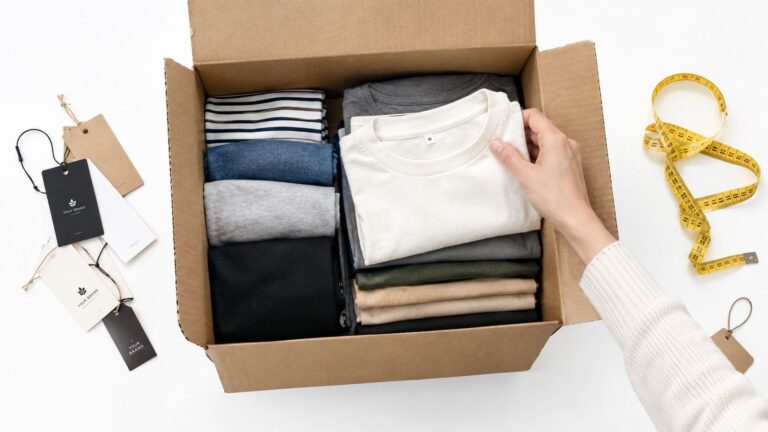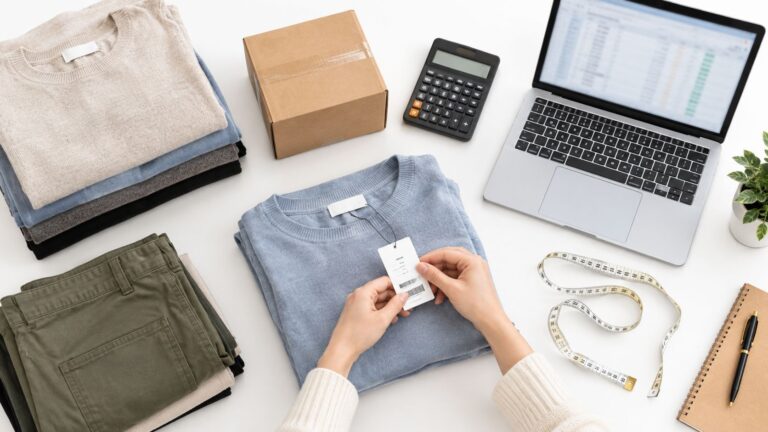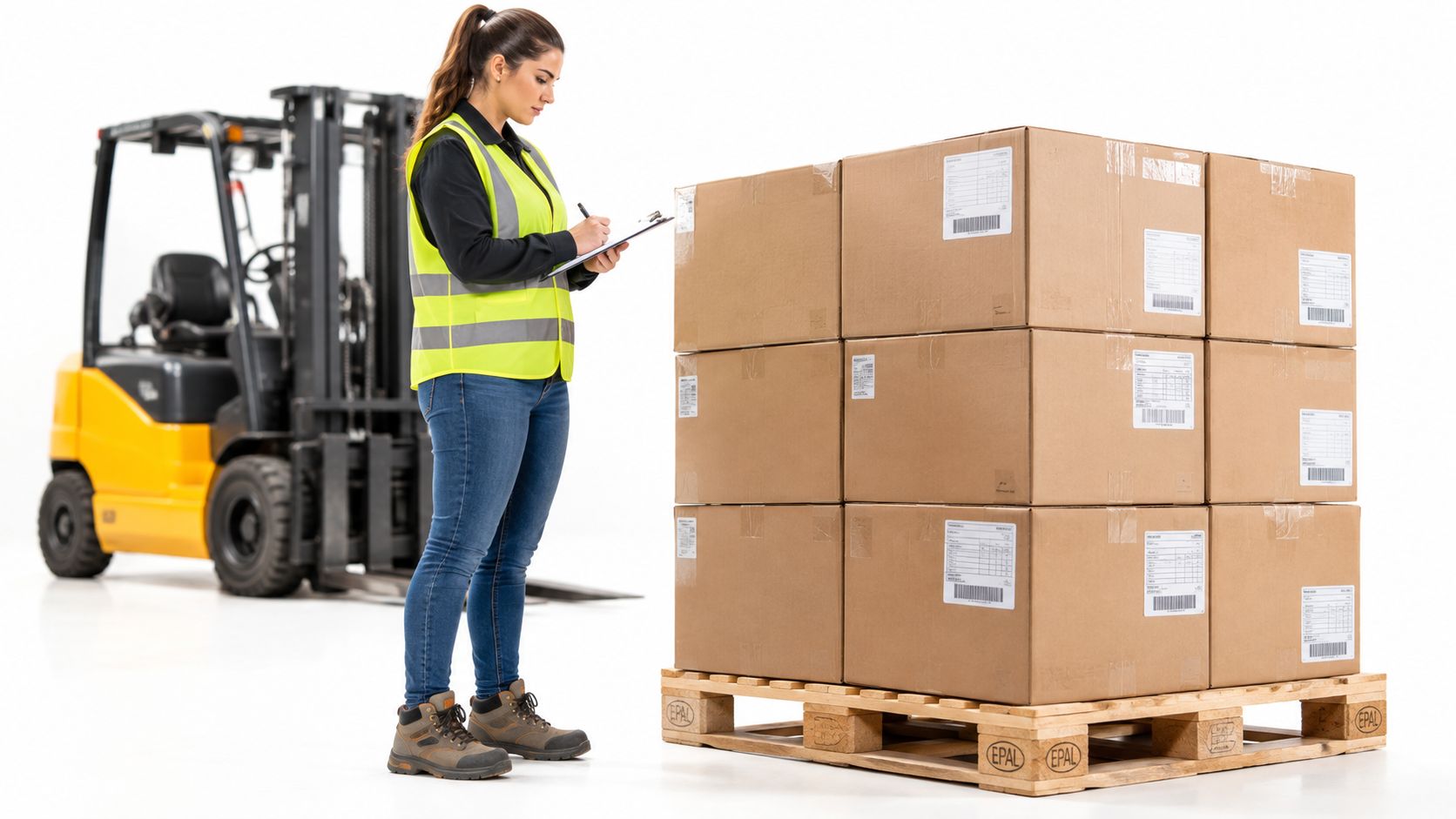
You've found a wholesale pallet that appears to contain recognizable brands at a fraction of retail pricing. The seller has posted attractive photos, the unit count looks generous, and the checkout button is ready. Then freight, sorting time, damaged garments, platform fees, storage, and slow-moving sizes turn an apparently cheap purchase into expensive inventory.
That's the part most guides skip. Learning how to buy wholesale pallets isn't mainly about finding a listing. It's about deciding whether the lot will produce enough sellable units, at realistic prices, to cover its complete landed cost. A pallet is an inventory investment, not a shortcut to guaranteed margin.
Table of Contents
- Why Wholesale Pallets Matter for Resellers
- Sourcing Channels for Wholesale Pallets
- Inspecting Pallets Before You Commit
- Calculating the Real Cost Per Sellable Unit
- Transportation and Storage Decisions
- Scaling from Test Boxes to Regular Pallet Buying
- Final Checklist Before Your Next Pallet Purchase
Why Wholesale Pallets Matter for Resellers
A pallet exists because modern retail needs a fast route for merchandise that no longer fits the primary sales channel. The National Retail Federation's 2024 returns research projected that U.S. retailers would receive approximately $890 billion in returned merchandise during 2024, equal to 16.9% of annual retail sales. The same research says that rate was more than twice the estimated 2019 return rate.
That flow includes customer returns, seasonal overstock, shelf pulls, excess inventory, and products with packaging or condition issues. A retailer can't keep every returned garment in its original selling process, so liquidators and wholesale suppliers redistribute mixed inventory to resellers. The opportunity is real, but the merchandise has already passed through a process that makes uniform quality unlikely.
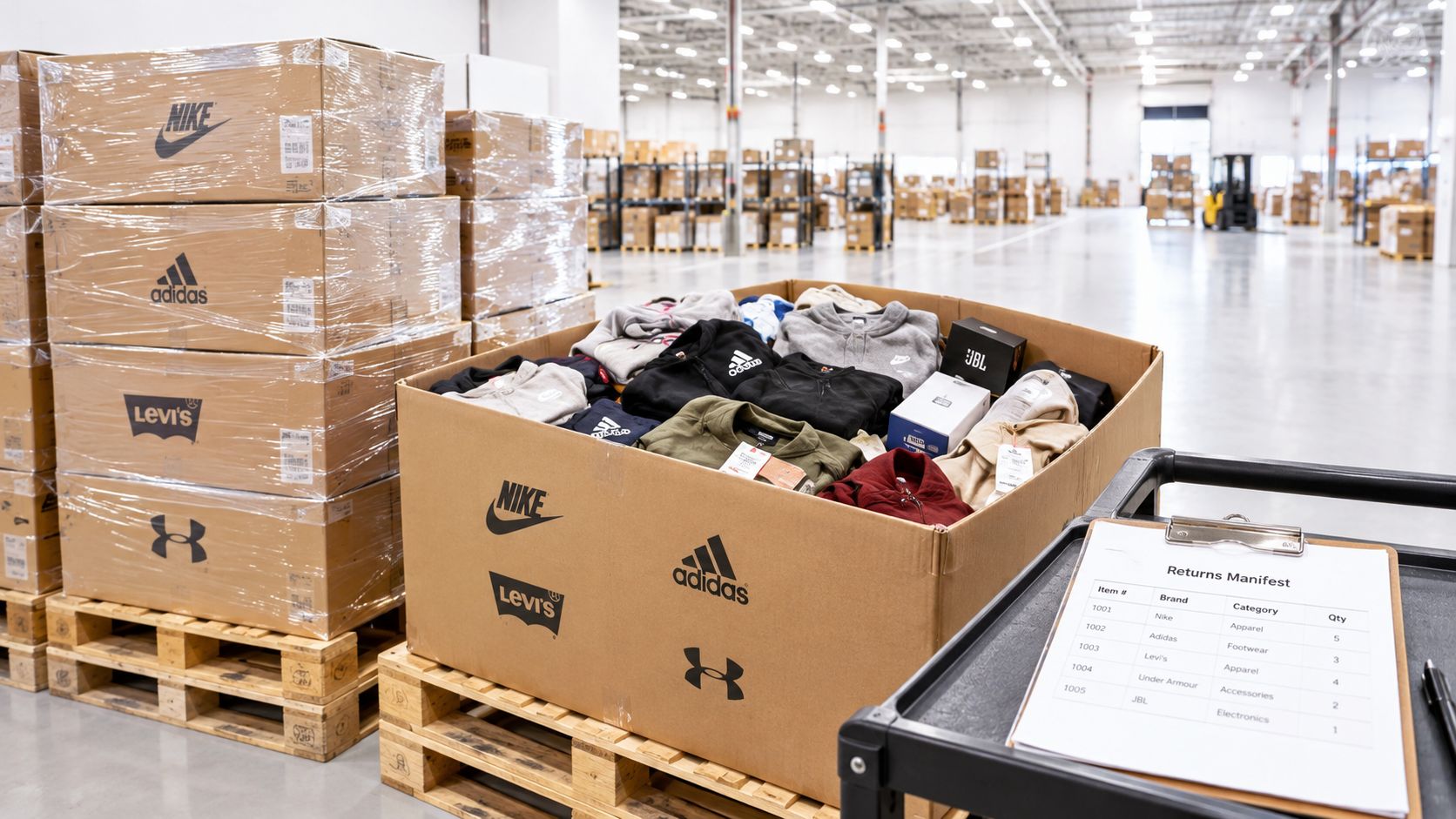
A boutique may use a pallet to add branded apparel without negotiating separate wholesale accounts. A marketplace seller can sort the same type of lot by brand, size, season, and condition, then list each garment individually. A live-sale host might use the variety to create themed selling sessions. In each case, the buyer is purchasing a collection of potential listings, not a guaranteed collection of retail-ready products.
The demand side is also substantial. The U.S. Bureau of Labor Statistics discussion of secondhand apparel reported that three major online resale retailers generated combined revenue of $803.7 million in 2021. The same source reports estimated U.S. ecommerce sales of $1,192.6 billion in 2024, with ecommerce representing 16.1% of total U.S. retail sales.
Practical rule: Treat the pallet as raw inventory that requires verification, processing, and merchandising. The brands may attract buyers, but only sellable units create recoverable revenue.
The key question isn't “How cheap is this pallet?” It's “What will each usable garment cost after freight and processing, and where will I sell it?” That question determines which supplier to choose, whether to test with a smaller lot, and whether you have enough space and cash to handle the inventory properly.
Sourcing Channels for Wholesale Pallets
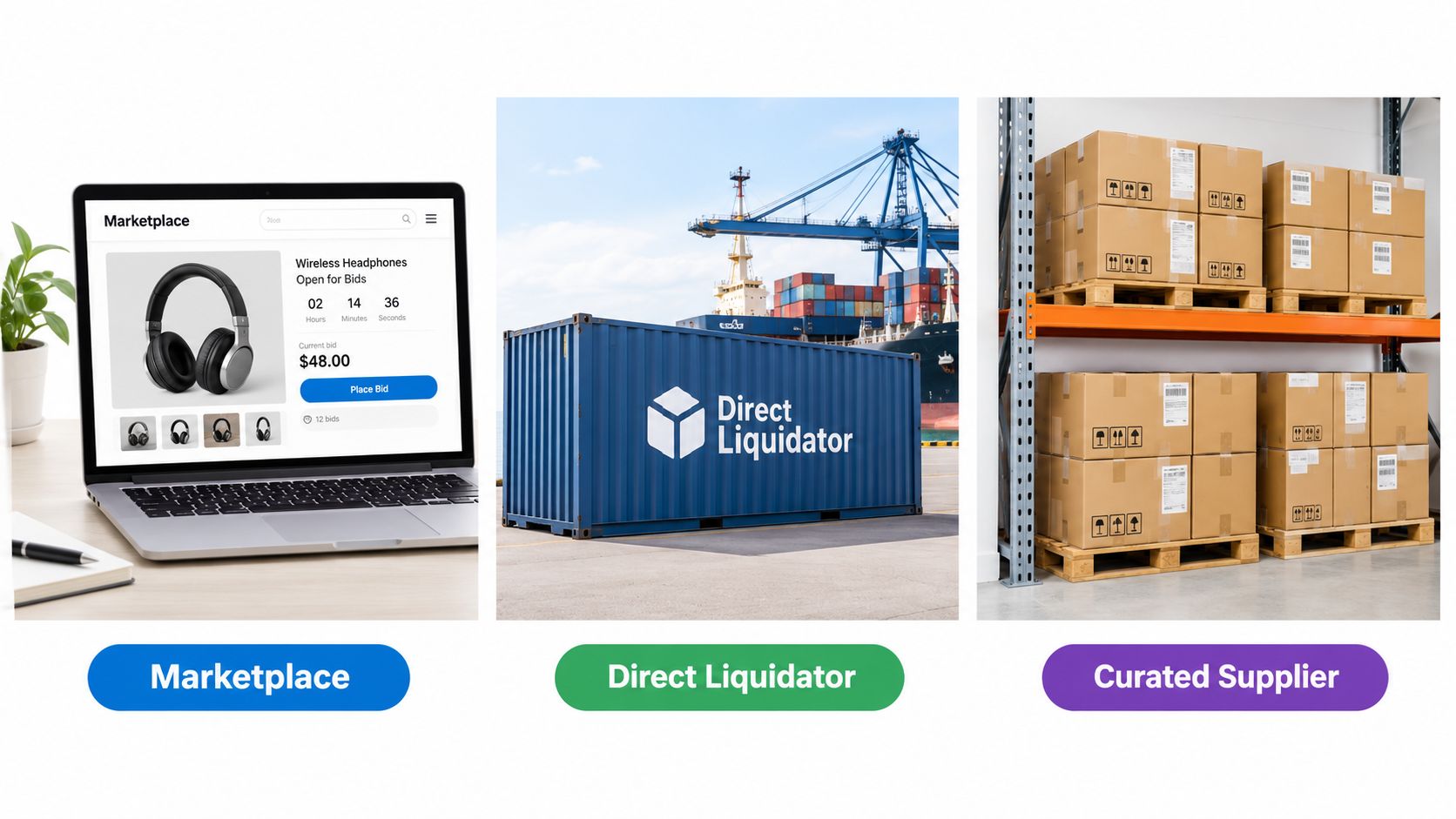
Different sourcing channels solve different problems. A liquidation marketplace offers breadth, while a curated apparel supplier gives you more influence over brand mix. Neither is automatically safer or more profitable.
| Channel | Strength | Best For |
|---|---|---|
| Liquidation marketplaces | Broad access to mixed lots and auction inventory | Buyers comfortable with variable condition and competitive bidding |
| Direct brand liquidators | More direct sourcing and clearer inventory descriptions | Resellers seeking consistent categories or retailer-linked loads |
| Wholesale distributors | Repeatable ordering and product-focused assortments | Sellers who need replenishment rather than one-off treasure hunting |
| Curated apparel suppliers | Better control over brands, categories, and lot composition | Boutiques, marketplace sellers, and live-sale hosts with a defined audience |
Liquidation marketplaces work when variety matters more than precision. You may find apparel, footwear, accessories, and general merchandise in one place, but auction competition can push the final price beyond your resale model. Unmanifested or lightly described lots also shift more inspection risk onto you.
Direct liquidators can provide better context about where inventory came from and how it was graded. Ask whether the goods are customer returns, shelf pulls, or overstock. A description such as “mixed condition” isn't enough unless the supplier explains what that means operationally.
Wholesale distributors suit sellers who want repeatable categories. Their lots may be less exciting than a mixed returns pallet, but consistency can make listing, pricing, and restocking easier. This option fits a seller who already knows which brands and sizes move.
Curated suppliers are useful when your sales channel depends on a coherent assortment. A Whatnot host may need recognizable brands and attractive opening pieces. A Poshmark seller testing a new category may prefer a smaller box before taking on a full pallet. A supplier that supports mix-and-match selection or custom quotes can reduce irrelevant inventory, though you should still verify the condition policy and actual contents.
For additional context on clothing auction models, review this guide to auctions for clothes. Use it to compare auction dynamics with fixed-price and curated buying, not as a substitute for calculating your own landed cost.
Inspecting Pallets Before You Commit
A manifest is useful only when you know what it promises. Before paying, request the unit count, source type, condition grade, photographs, and any available defect information. Confirm whether the lot contains customer returns, overstock, shelf pulls, or a mixture, because each category carries a different inspection burden.
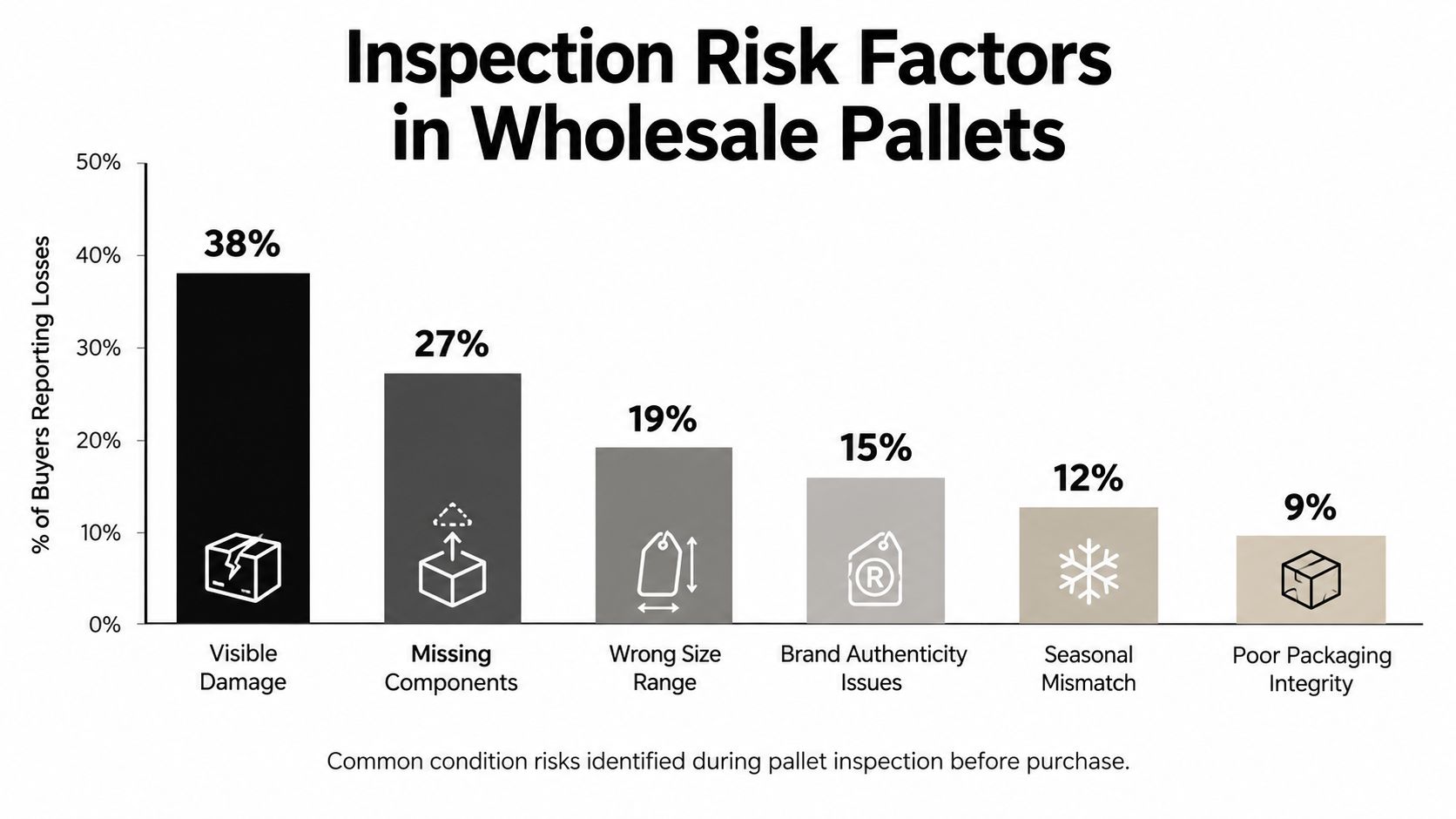
Start with the supplier's terminology. “New” might mean unopened retail packaging, while “like new” could include tried-on garments or items with missing tags. Ask what percentage of units may have stains, tears, odor, missing buttons, incomplete sets, or packaging damage. If the supplier can't define its grades, treat the grade as a marketing label rather than a useful buying input.
Use this liquidation-by-the-pallet guide as a reference point, then apply the following inspection process to the actual offer:
- Match the manifest to the listing. Check brand names, garment types, sizes, and stated quantities. A broad brand list isn't a substitute for a usable item-level or category-level description.
- Study the size distribution. A lot dominated by difficult-to-sell sizes may have a lower recovery value than its brand list suggests. Ask for a size breakdown when available.
- Check seasonality. Summer dresses arriving when your customers are shopping for cold-weather layers may tie up cash. Seasonal mismatch doesn't make garments worthless, but it changes the time and price required to sell them.
- Verify authenticity signals. Inspect labels, stitching, care tags, packaging, and SKU information for recognizable brands. A brand name on a spreadsheet doesn't prove every unit is authentic.
- Ask about missing components. Apparel can arrive without belts, removable straps, matching pieces, or original packaging. Those omissions affect both description accuracy and price.
- Review packaging integrity. Crushed cartons, exposed garments, moisture, and mixed loose units increase handling time and may indicate condition problems.
Photos should show the actual lot or a clearly identified representative sample. Stock images only demonstrate what the category can look like. When possible, buy a small test box or partial lot from the same supplier before committing to a full pallet. A test order lets you compare the manifest with reality, measure cleaning and listing time, and assess whether your buyers respond to the assortment.
Calculating the Real Cost Per Sellable Unit
The advertised price per piece is often the least useful number in a pallet deal. Your decision should rest on landed cost per sellable unit, meaning the total cash and labor required to acquire, prepare, and sell the garments that can realistically generate revenue.
Use this basic calculation:
Landed cost per sellable unit = total acquisition and processing cost ÷ expected sellable units
Total cost includes more than the invoice. Add pallet price, freight, receiving labor, inspection, cleaning, repairs, storage, selling fees, packing materials, markdowns, and disposal or donation handling. Then remove units that are unsellable or commercially impractical. A garment can be technically wearable yet still fail your model if the listing work and expected selling price don't justify handling it.
For example, compare two hypothetical apparel lots. Pallet A has a lower invoice price but requires substantial cleaning, produces many slow sizes, and carries high freight. Pallet B costs more upfront, but its brand mix fits your customer base and fewer garments need rework. Pallet A may look cheaper per listed item while producing a higher cost per garment that sells.
| Cost Type | Why It Matters | How to Estimate |
|---|---|---|
| Pallet purchase | Sets the starting cash commitment | Use the supplier's full quote, including any handling charges |
| Freight | Can change the economics of a distant shipment | Request a delivered quote to your actual address |
| Inspection labor | Sorting takes time even when you work alone | Record the hours required and assign your normal hourly value |
| Cleaning and repairs | Affected garments need extra work before listing | Estimate supplies, outside services, and labor by sample |
| Storage | Slow inventory consumes usable space | Allocate a monthly cost or a share of your storage expense |
| Selling and fulfillment fees | Gross sales aren't the same as contribution margin | Apply the fees and packing cost for each intended channel |
| Unsellable units | Disposal, donation, or salvage still requires handling | Estimate the quantity and the cost of moving it out |
Watch sell-through by brand, category, size, and season, not just total revenue. A pallet can produce attractive sales while leaving a large share of inventory behind. Build an expected-value model using conservative prices from completed marketplace listings, then set a maximum purchase price that still leaves room for errors in the manifest and your recovery estimate.
The guide to liquidation pallet costs can help you frame supplier pricing, but it shouldn't replace your own quote and channel-specific expense model. The right purchase price depends on where you sell, how quickly you process, and how much work each unit needs.
The accompanying video offers another visual reference for evaluating pallet risk:
Transportation and Storage Decisions
A profitable pallet can become a difficult problem if you can't receive, move, sort, and store it efficiently. Decide how the shipment will reach you before placing the order. Ask whether the carrier delivers to a commercial address, whether a liftgate is required, and whether you have a safe way to move the pallet from the delivery point.
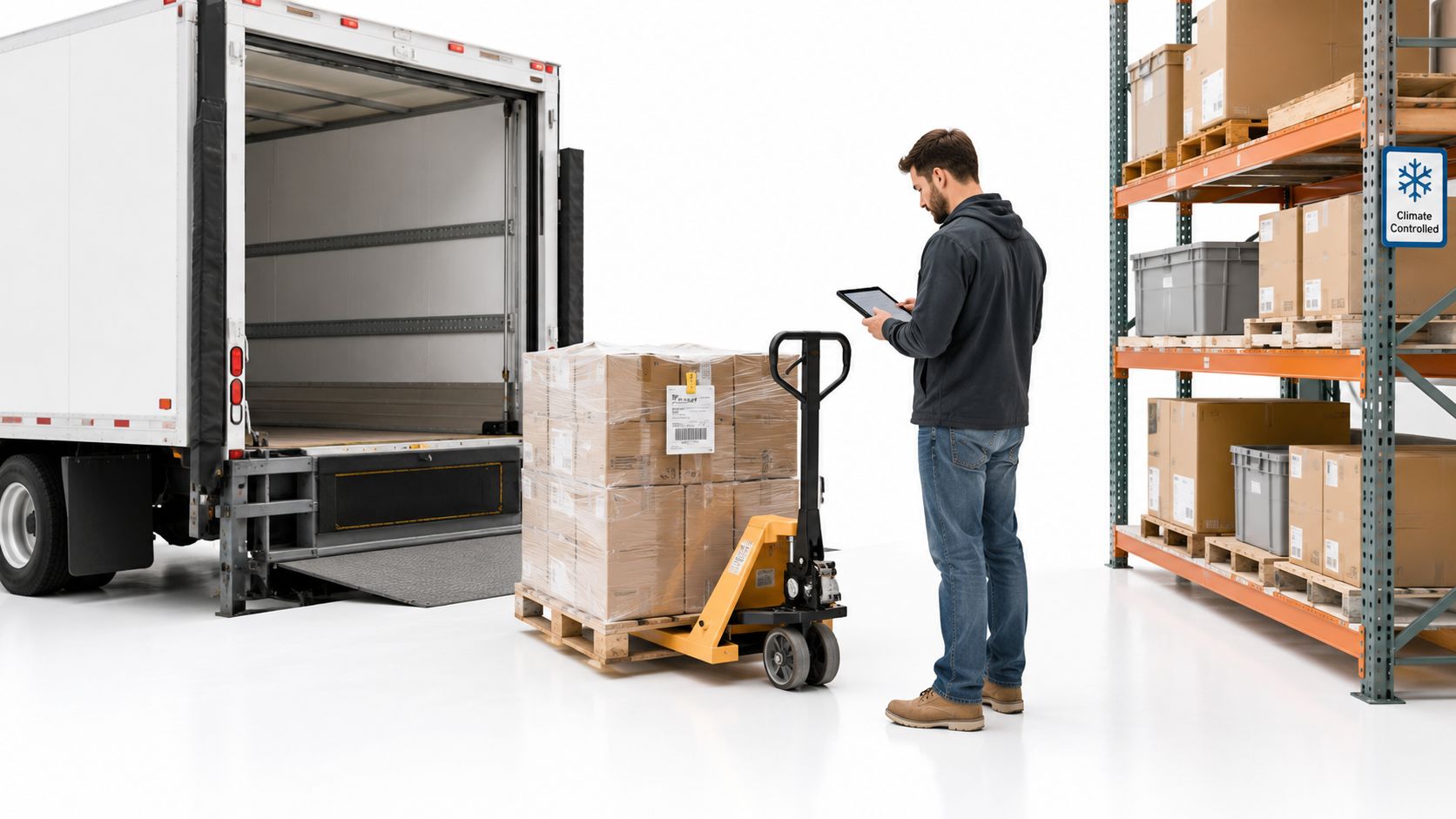
Local pickup can make sense when the supplier is nearby and the inventory can be inspected in person. It also avoids the uncertainty of receiving a shipment you can't easily unload. The trade-off is your travel time, vehicle capacity, loading equipment, and the risk of making an impulsive purchase because the goods are physically in front of you.
LTL freight suits buyers who don't have local access to a supplier. Get the freight quote before you buy, not after checkout. Provide the correct delivery address and ask about accessorial charges, residential delivery, liftgate service, and appointment requirements.
A smaller shipment can be the better choice when storage or cash flow is tight. A partial lot may have a higher unit price, but it limits the number of garments you must process before learning whether the supplier's quality matches its description.
Set up the storage area before delivery:
- Create zones: Keep uninspected, ready-to-list, listed, sold, repair, and unsellable garments separate.
- Protect fabric: Use a clean, dry area with airflow, and keep cartons off floors where moisture can reach them.
- Track locations: Assign simple shelf, rack, or bin identifiers so every listed item can be found quickly.
- Plan the first sort: Reserve time for opening cartons, counting units, photographing defects, and separating immediate rejects.
- Measure handling time: Record how long receiving and preparation take. That time belongs in your cost model.
A small boutique may need only a disciplined rack and labeled bins. A higher-volume marketplace seller may need barcode labels, shelving, and a spreadsheet or inventory system that connects item IDs to listings. The method matters less than traceability. If you can't locate a sold garment without searching through unsorted cartons, your fulfillment process is consuming margin.
Scaling from Test Boxes to Regular Pallet Buying
Scaling should follow evidence, not the excitement of a larger discount. A test box answers questions that a manifest can't: Are the brands authentic? Do the sizes fit your audience? How many pieces need cleaning? Can you photograph, list, and ship the inventory without disrupting existing orders?
Record each test order in a simple worksheet. Track the supplier, source type, categories, sizes, condition, preparation time, listing price, selling price, channel, and final disposition. Include garments that are donated, repaired, bundled, or discarded. Those outcomes tell you more about the supplier than the number of attractive pieces shown in promotional photos.
The safest scale-up is the one your workflow can absorb without borrowing against future sales.
Look for repeatable signals before increasing your order size:
- Quality consistency: The next lot should meet the same grading expectations as the first.
- Channel fit: Your buyers should respond to the category and brand mix without heavy discounting.
- Processing capacity: You should have room for incoming stock without burying current sellable inventory.
- Cash-flow resilience: Freight, labor, fees, and slow-moving stock should remain manageable after purchase.
- Supplier communication: Questions about defects, manifests, and replacements should receive clear answers.
A bigger lot only improves economics if you can sell the additional inventory. Don't scale because the per-piece quote appears lower. Negotiate a custom assortment when your records show that certain brands, garment types, or sizes consistently perform, and ask whether the supplier can preserve those preferences without making unsupported promises.
Reinvesting a portion of realized profit is safer than immediately adding fixed overhead. Keep the same listing standards, condition grading, and disposition process as volume grows. If the first order worked because you inspected every unit carefully, don't remove inspection from the process merely because the next shipment is larger. Change the workflow, not the standard.
Final Checklist Before Your Next Pallet Purchase
A disciplined buyer can reject a bad pallet before paying for it. Run the offer through five tests.
Source fit: Does the channel match your sales model? A marketplace lot may suit a variety-focused seller, while a boutique may need a narrower brand and size mix.
Inventory clarity: Do you know whether the goods are returns, overstock, shelf pulls, or mixed condition? Can the supplier explain its grades, show representative photos, and provide a manifest when available?
Economic viability: Have you calculated the complete landed cost per sellable unit? Include freight, inspection time, cleaning, repairs, storage, platform fees, markdowns, and unsellable units. Test conservative selling prices rather than relying on suggested retail value.
Operational readiness: Do you have a delivery plan, unloading method, dry storage, sorting space, inventory labels, and time to process the shipment? A purchase isn't ready just because the supplier can ship it.
Exit plan: What happens to garments that don't sell? The Global Fashion Agenda discussion of fashion waste and secondhand clothing notes that 58% of consumers reportedly bought secondhand clothing in 2024, while secondhand apparel represented about 9% of global apparel sales. It also cites global textile waste at roughly 92 million tons annually and textile-to-textile recycling at about 1% of clothing. These figures show why resale alone doesn't make every pallet sustainable.
Create a documented route for repair, donation, reuse, textile recycling, or responsible disposal. Don't describe a pallet as zero waste unless your records support the quantities resold, donated, repaired, or recycled. Disposal, transport, and storage belong in the financial model as well as the operating plan.
The strongest buyers don't chase the lowest headline price. They buy inventory they can verify, process, store, sell, and responsibly redirect when it fails to sell. If the manifest is unclear, the freight quote is missing, or the expected sell-through depends on optimistic assumptions, pause the purchase and request better information.
OneTrendyCloset offers curated brand-name apparel liquidation boxes, mix-and-match options, and custom quotes for buyers planning box or pallet-sized orders. Review the available sourcing options at OneTrendyCloset, then request an assortment that matches your budget, preferred brands, selling channel, and processing capacity.