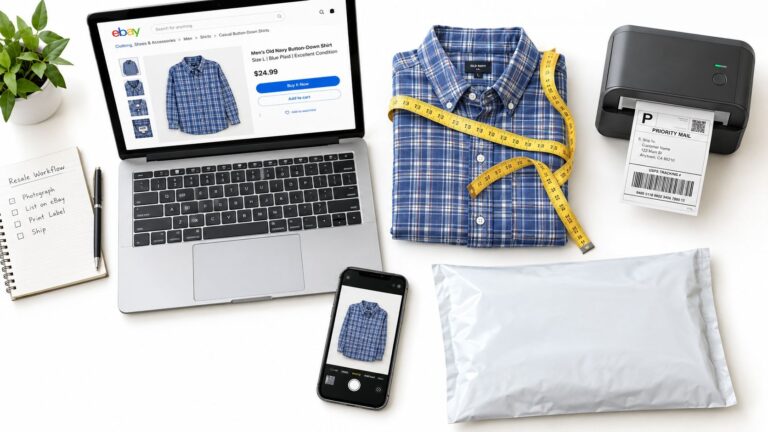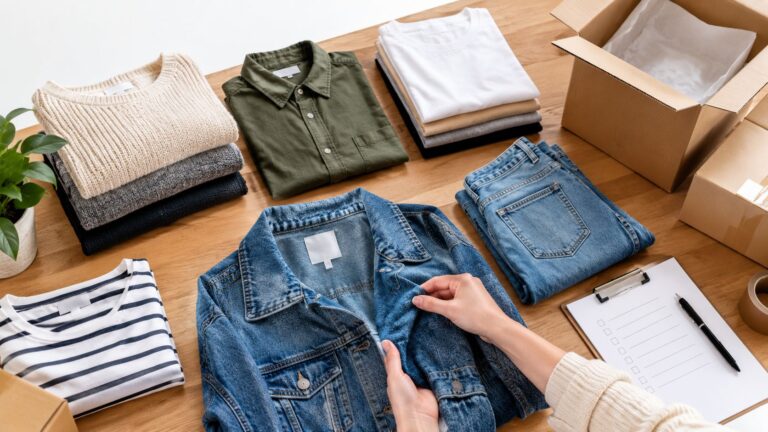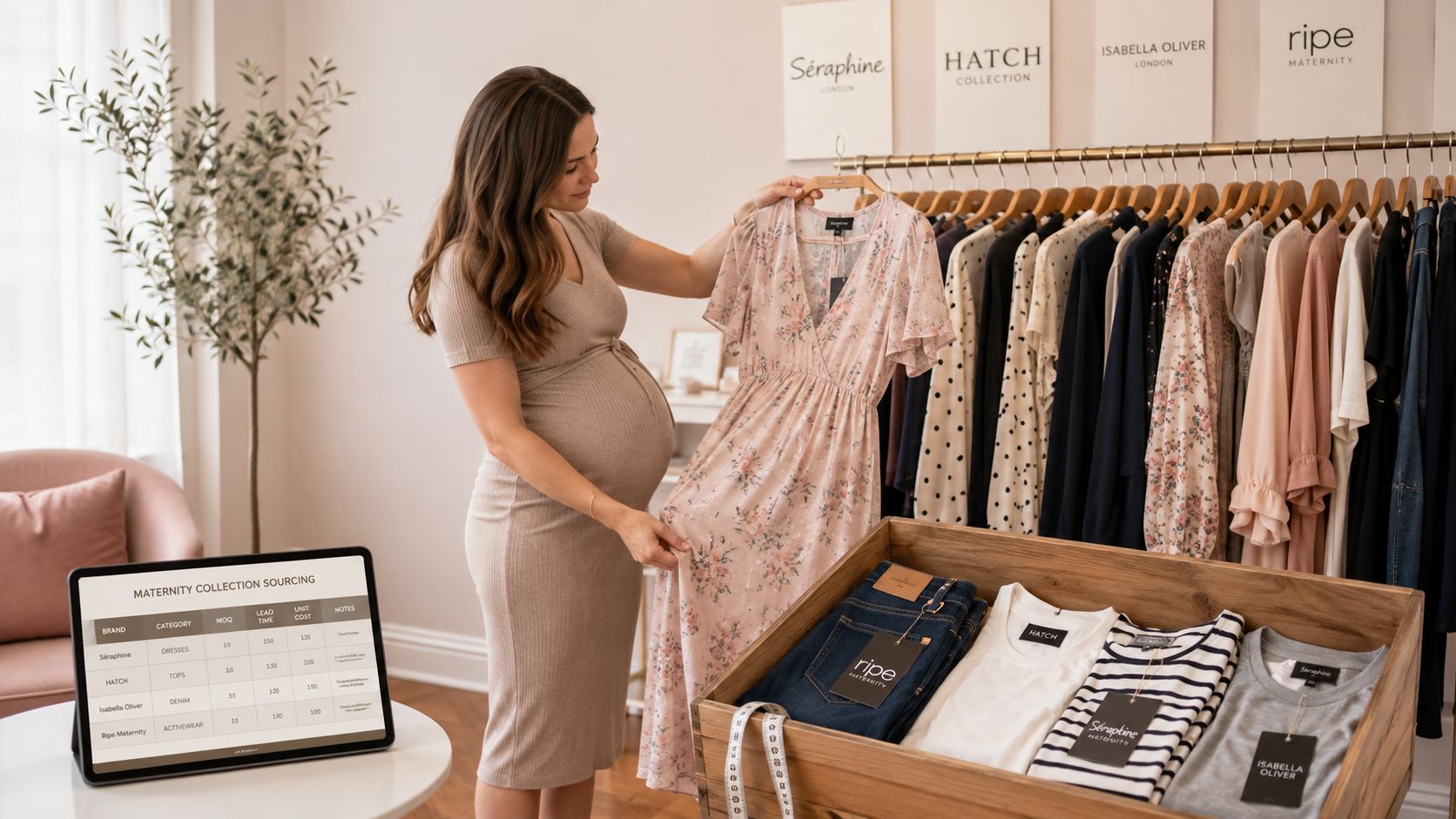
You're staring at a half-empty maternity rack again. The women who bought the first round aren't coming back for the same pieces, and the “maternity” sign on the shelf is doing more harm than good because half the inventory looks like it belongs in a clearance bin, not a real buy. That's the mistake most resellers make, they treat brand name maternity clothes like a temporary category instead of a transitional womenswear lane with repeat demand, postpartum resale potential, and enough brand pull to justify a smarter strategy.
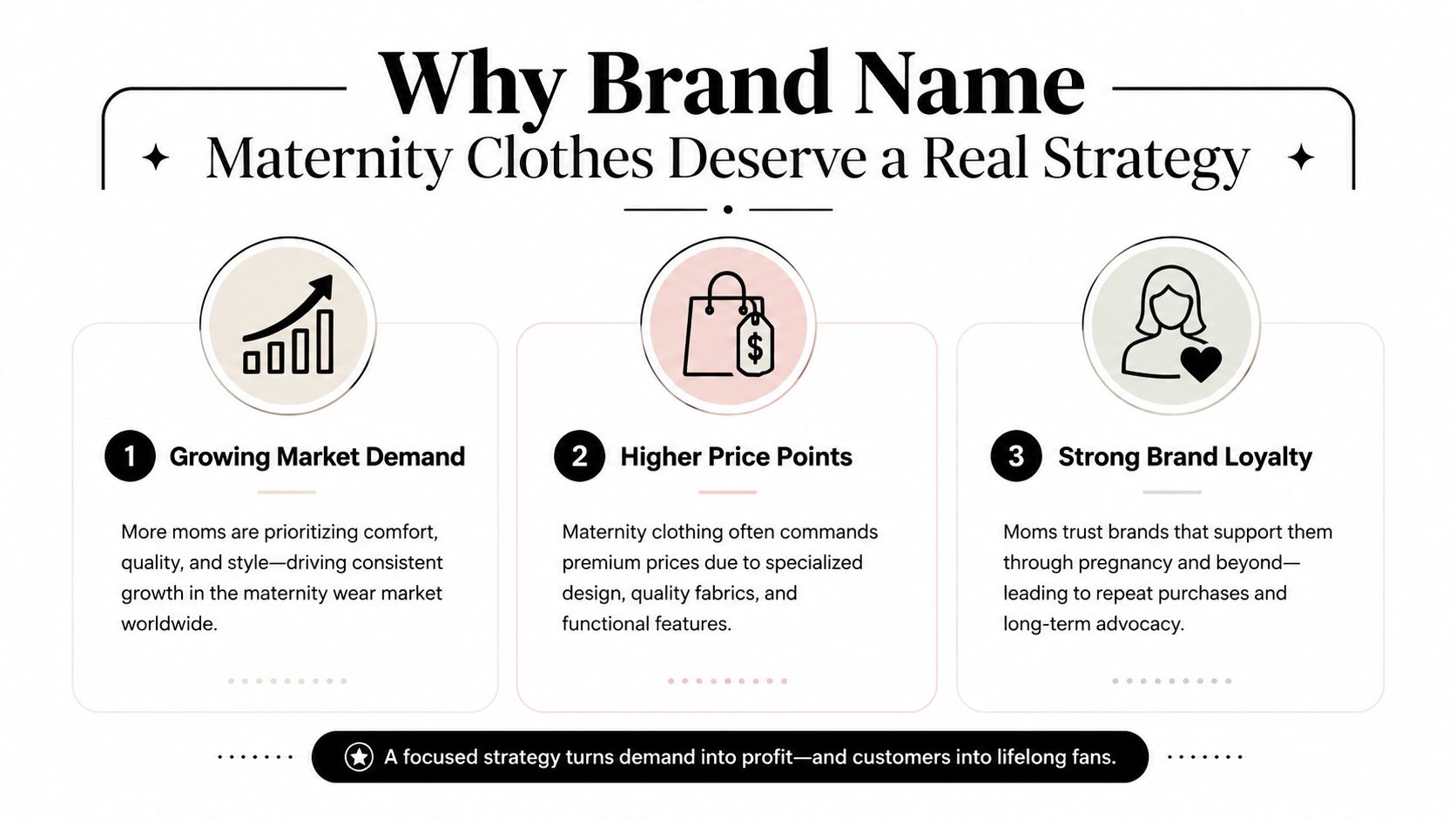
Table of Contents
- Why Brand Name Maternity Clothes Deserve a Real Strategy
- Market Size and Demand Trends Resellers Should Track
- Where to Source Brand Name Maternity Clothes
- Fit Engineering and Sizing Complexity in Maternity Apparel
- Merchandising Maternity as Transitional Womenswear
- Seasonality and Sizing Rotation for Branded Maternity Lots
- Common Mistakes When Stocking Brand Name Maternity Clothes
- Building a Repeatable Sourcing Workflow
Why Brand Name Maternity Clothes Deserve a Real Strategy
A boutique owner can make the wrong call on a Monday morning. The rack is half empty, the live-sale queue is full of requests for “comfy pants” and “nursing-friendly tops,” and the easy move is to dump maternity stock and move on. Buy it that way and you miss what sells. Brand Name Maternity Clothes deserve a real plan because the demand comes from a steady customer cycle, not a fad, and the category has enough scale to justify repeat buying across resale channels.
The rack is not the problem
Frame the rack as transitional womenswear, and the buyer pool gets bigger. You stop selling only to someone who needs a short-term fix and start selling to pregnancy, recovery, and everyday wear. Recent market research says about 58% of expectant mothers now look for clothes that work during pregnancy and postpartum, and ecommerce already accounted for 60% of maternity sales in 2025 versus 48% in 2022 in one report Market Growth Reports.
That changes what belongs in the buy box. I'd stock knit dresses, elastic-waist pants, nursing tanks, and soft denim that still works after the baby arrives before I'd fill space with novelty pieces that only matter for a few weeks. Brand-name items with flexible construction photograph better, describe better, and relist better once the bump stage ends.
Practical rule: if a maternity item only works for eight weeks, it is a weaker buy than a piece that survives pregnancy and the months after.
The market size also supports a serious approach. One major estimate values the global maternity wear market at USD 23.42 billion in 2024 and projects USD 30.87 billion by 2030 Grand View Research. Another places maternity apparel at USD 22.09 billion in 2026 and forecasts USD 28.79 billion by 2031. Different methods, same message, this is a meaningful apparel segment, not leftover inventory dressed up as a trend.
| Source | Base Year Estimate | Forecast Horizon | Implied CAGR |
|---|---|---|---|
| Major industry estimate | USD 23.42 billion in 2024 | USD 30.87 billion by 2030 | 4.7% from 2025 to 2030 |
| Another industry estimate | USD 22.09 billion in 2026 | USD 28.79 billion by 2031 | Not stated in the brief |
Buy it like a category with brand loyalty, repeat need, and a customer who wants comfort without looking disposable. That is where the sell-through comes from.
Market Size and Demand Trends Resellers Should Track
A rack of Brand Name Maternity Clothes sells better when you treat it like transitional womenswear, not a short-lived niche. The buyers who keep coming back want pieces that carry them through pregnancy and still work afterward, so the inventory has to do more than cover a bump.
The maternity apparel market is large enough to reward that approach. One industry estimate puts it at USD 23.42 billion in 2024 and projects USD 30.87 billion by 2030, with a 4.7% CAGR from 2025 to 2030 Grand View Research. Another places it at USD 22.09 billion in 2026 and forecasts USD 28.79 billion by 2031. Different models, same takeaway, this category has steady demand and real replenishment potential.
Fabrics and channels tell you what moves
The fabric mix shows what shoppers pull the trigger on. Analysts at Mordor Intelligence found that cotton accounted for 58.18% of the maternity apparel market size in 2025, while denim was projected to grow at 7.07% CAGR from 2026 to 2031 Mordor Intelligence. Cotton keeps winning because it feels easy and wearable. Denim matters because it looks like real womenswear, not temporary gear.
Channel mix matters too. The same report says online channels held 42.8% revenue share Mordor Intelligence. That should shape how you buy and list Brand Name Maternity Clothes. Clear photos, plain fabric notes, and honest fit details are what close the sale when shoppers cannot touch the garment first.
The category also has built-in resale life after pregnancy. Adjustable waists, nursing access, and soft stretch fabrics keep a piece useful after the bump stage ends. Those are the SKUs that stay on the rack longer and hold value better. Novelty pieces that only work for a narrow window are harder to move and easier to markdown.
Buying bias that works: if a branded maternity piece looks like everyday womenswear and behaves like everyday womenswear, it usually resells better than a piece that only makes sense for one stage.
Buy for wearability first. Cotton basics move because they are practical. Denim moves because it still reads as an outfit. Postpartum-friendly pieces do the best work for resellers because more shoppers can justify them, and that keeps the category from turning into dead stock.
Where to Source Brand Name Maternity Clothes
Your sourcing channel will decide your margin before your photos ever do. I've seen the same category perform well and fail badly, depending on whether the buyer wanted speed, curation, or control. If you want brand name maternity clothes that fit a resale plan, don't start with the cheapest pile you can find. Start with the channel that matches your business stage.
The three channels that make sense
Curated liquidation boxes are the easiest entry point. They reduce sorting time, they let you test the category with less friction, and they work for boutique owners who need a manageable mix instead of a mountain of inventory. OneTrendyCloset has been active in ecommerce since 2013, curates mixed-brand apparel boxes with in-house packing and shipping, and supports custom quotes for boxes or pallets based on budget and preferred brands. That's useful when you need brand variety without building your own sourcing machine.
Pallet lots are the better play once you already know what sells. You get scale, but you also take on more sorting and more fit-risk across sizes and styles. Direct overstock relationships can be strong too, but they're slower to develop and harder for newer sellers to access consistently.
Here's the cleanest way to think about it.
| Channel | Typical Order Size | Brand Mix Control | Best Fit For |
|---|---|---|---|
| Curated liquidation boxes | Smaller test orders | Moderate | Boutique owners, live-sale hosts, first-time maternity buyers |
| Pallet lots | Larger bulk buys | Lower to moderate | Sellers who already know their customer profile and sell-through rate |
| Direct overstock contacts | Varies | Higher | Experienced buyers who can negotiate recurring supply |
If you want a practical starting point, use the curated route first and the pallet route second. That keeps you from overbuying a category you haven't proven yet. If you want to look deeper at pallet buying structures, the internal guide on brand name clothing pallets is the right adjacent read.
The rule is straightforward. Smaller sellers need curation. Bigger sellers need control. Everyone needs enough brand mix to keep the rack from feeling stale.
Fit Engineering and Sizing Complexity in Maternity Apparel
Maternity sizing is not normal sizing with a bump slapped on top. The wearer's shape changes across the life of the garment, and that means fit errors cost you faster than they do in basic women's apparel. A university textile study found that maternity support fabrics should stretch at least 10% with minimal force to accommodate average abdominal girth enlargement, while comfort pressure for close-fitting garments is typically 10 to 20 mmHg PolyU thesis. That tells you exactly why some pieces feel wearable and others feel like a bad compromise.
What to check before you buy
The best maternity buys don't just “fit.” They manage pressure, shape, and recovery. A garment can stretch enough to get on the body and still fail if it squeezes the abdomen or loses its shape after a few wears. That's why I look at waist construction, panel type, fabric recovery, and whether the piece can function in more than one stage of pregnancy.
For resellers, the sizing problem is bigger than the size tag. One branded lot can effectively contain two or three size runs if the cuts vary by fabric and waistband style. That's why you need a sizing matrix before you list anything. Don't rely on “true to size” language unless you've checked it against actual garment measurements.
A simple fit checklist helps more than generic size talk:
- Stretch first: measure how much give the main panel or waistband has before listing it.
- Pressure second: if a piece feels tight before wear, it'll sell slower and return more often.
- Recovery third: if the fabric bags out, it won't photograph well after the first try-on.
- Honest staging: show the front, side, and waistband detail so the buyer knows what they're getting.
If a garment depends on the buyer “figuring it out,” it's not a strong resale piece. It's a return waiting to happen.
I'd also treat fit notes as part of the product, not an afterthought. State where the piece sits, whether it's over-bump or under-bump, and whether the fabric feels structured or relaxed. That's how you reduce friction and keep branded maternity inventory moving.
Merchandising Maternity as Transitional Womenswear
The strongest maternity racks don't look like maternity racks. They look like clean, wearable women's apparel with a specific fit story. That's the edge. Buyers don't just want a baby bump solution, they want clothes that still make sense at school drop-off, on a live sale, or during recovery at home. The category supports that approach because fabric preferences lean comfort-first, while online shopping keeps pushing buyers toward pieces they can evaluate from a screen Mordor Intelligence.
Sell the life after pregnancy, not just the bump
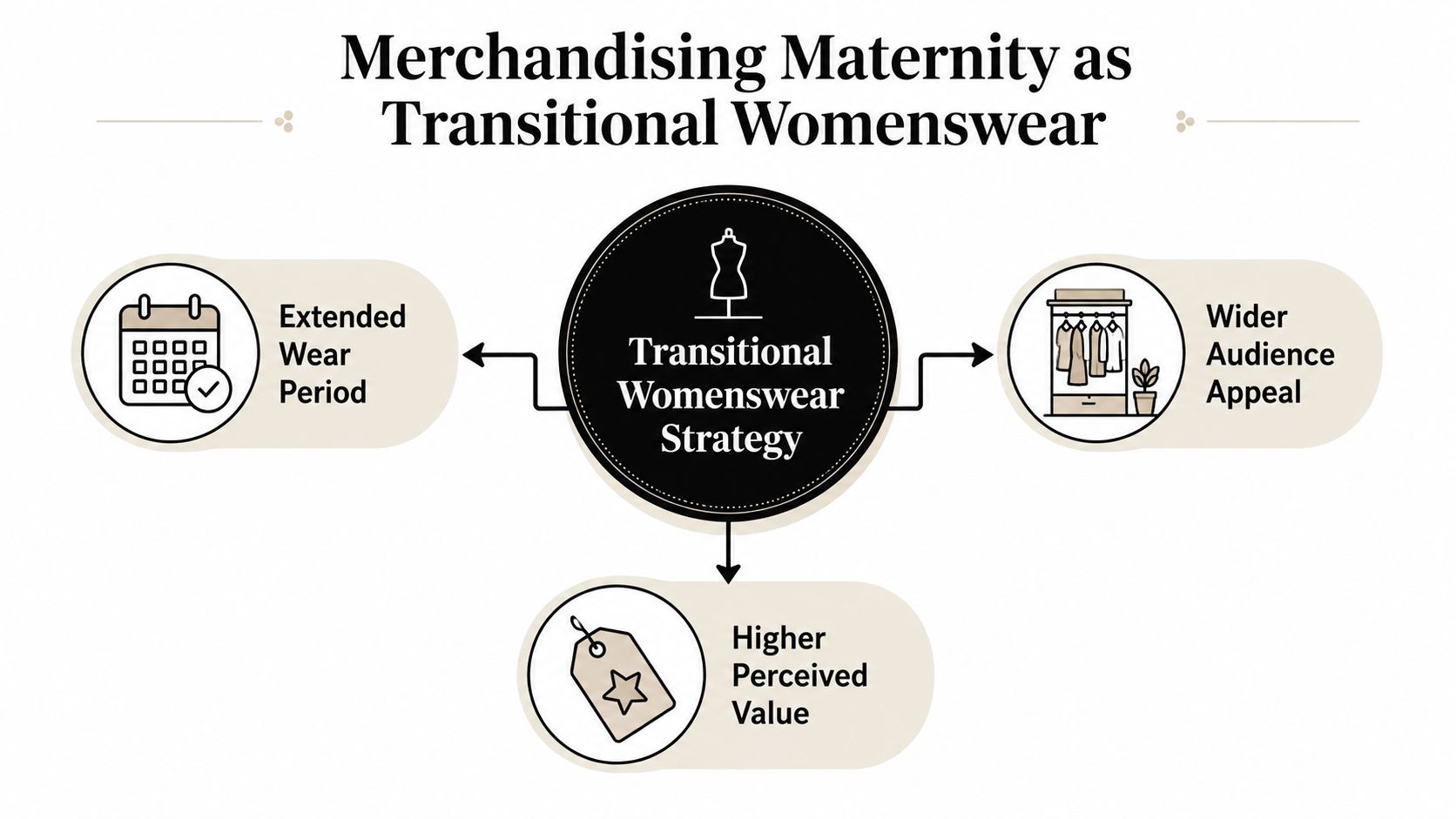
Transitional pieces earn more trust because they promise more use. Adjustable waistbands, nursing access, wrap shapes, stretchy knit dresses, and soft denim all fit that brief. The buyer hears “maternity” and thinks temporary. The buyer hears “transitional womenswear” and sees a longer wearing window.
That's exactly why I'd rewrite listings. Don't lead with “for pregnancy only.” Lead with what survives the transition. A nursing-friendly top, a dress with a forgiving knit, or pants with a flexible waistband has a better story than a one-and-done maternity label. The category gets stronger when you stop merchandising it like an isolated lane.
Brand archetypes matter here too. Minimalist labels, refined basics, and soft athleisure usually translate better than loud novelty prints or highly structured occasion wear. Those cleaner pieces are easier to style, easier to resell, and easier to move again after the bump is gone. That's why this framing helps both boutiques and live-sale hosts.
The same logic also gives you more pricing room. If a piece can serve pregnancy, postpartum, and ordinary wear, customers are more willing to pay for it because the cost per wear story is better. That's not fluff, that's how the buyer justifies the cart.
Seasonality and Sizing Rotation for Branded Maternity Lots
Maternity moves in cycles tied to customer life stages, pregnancy, recovery, and everyday wear. The buyer who treats brand name maternity clothes like a calendar-only category misses the job. Match fabric weight, size depth, and timing to how pregnant and postpartum shoppers buy.
Buy the fabric for the quarter, not the hanger
Cotton belongs in the load when comfort and breathability matter most. Denim deserves space when buyers want a real outfit, not just loungewear. Online already carries a large share of category revenue, so your listings should fit the season you are selling into, not only the season the garment was made for.
Size rotation matters just as much. Overbuy one size and you trap cash in bundles that only fit a narrow slice of buyers. Branded maternity is notorious for uneven demand across sizes because fit changes by stage of pregnancy and body type. I prefer mixed runs when the lot allows it. It keeps your floor or storefront from getting stuck with three near-identical pieces nobody wants in the same week.
Build around what stays liquid. Lightweight layers, soft basics, and flexible denim sell across a longer window. Occasion-only pieces need a tighter exit plan because they do not carry the same repeat value.
Stock for the customer who is currently pregnant and the one who just gave birth. They do not want the same thing, but they often buy from the same rack.
For resellers, that means two things. Do not let a seasonal slowdown scare you off a good brand if the fit and fabric story are solid. Do not let a hot month push you into overbuying a size spread you cannot move later. The right maternity inventory is flexible enough to survive the quarter and sharp enough to sell at a fair margin.
Common Mistakes When Stocking Brand Name Maternity Clothes
A reseller buys a polished maternity top, hangs it beside standard womenswear, and waits. The rack sits. The mistake is simple. Brand name maternity clothes need a buyer plan built around fit changes, postpartum wear, and faster decision-making at the register.
The mistakes that clog the rack
Clearance-first buying is the first trap. It trains shoppers to wait for markdowns and pushes better brands into bargain-bin territory. If the only message on your rack is cheap, you will not hold price on pieces with real name recognition.
Narrow size buys cause the next problem. Maternity demand shifts by stage, body type, and postpartum need, so one tight size run leaves money stranded in dead inventory. Mixed runs move better when the lot allows it, especially for basics and flexible denim that work before and after birth.
Flat photos kill resale value. Shoppers want to see stretch, waistband shape, support panels, and whether the piece reads as wearable beyond pregnancy. That matters even more for New York wholesalers clothing buyers who need inventory that can move in boutiques, online listings, or live sales.
Timing mistakes are where a lot of sellers really lose. They stock as if maternity shoppers browse on the same schedule as standard apparel customers, then act surprised when the rack lingers. Maternity buyers want clarity fast, and they want to know the item will still work after the bump is gone.
Here's the fix list:
- Clearance pricing only: keep a premium lane for pieces with real brand pull.
- Narrow size buys: mix sizes when possible, and do not bet the box on one run.
- Flat photography: show stretch, panel shape, and closure details.
- Bad timing assumptions: list for the buyer's need state, not your own buying calendar.
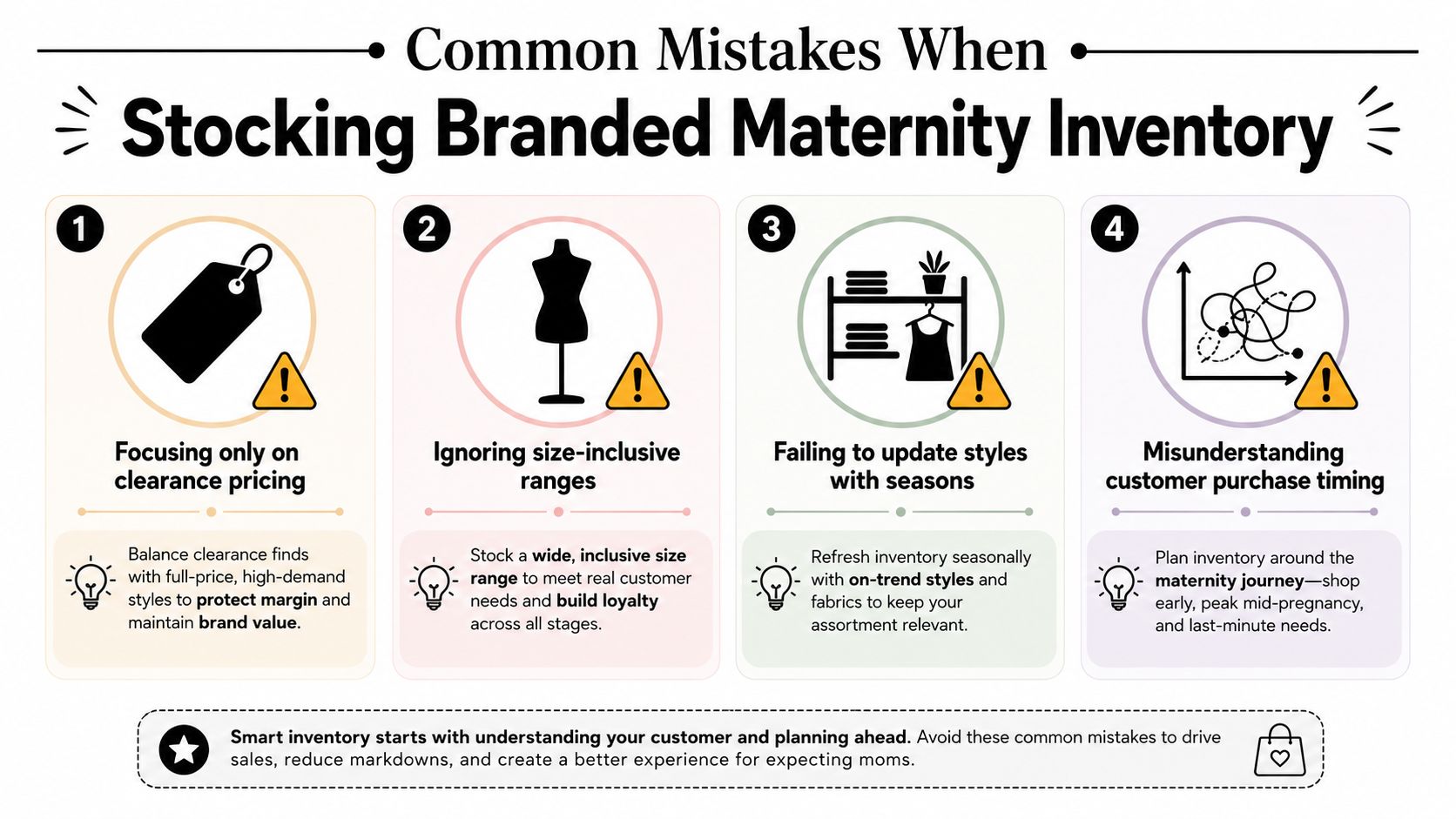
Fix those four problems and the rack stops looking like leftovers. It starts looking like transitional womenswear with a reason to move.
Building a Repeatable Sourcing Workflow
A repeatable workflow beats random buying every time. Start with the customer profile, not the box. If your buyers want postpartum-friendly basics, then your brand list should lean toward stretch, softness, and utility. If they want live-sale steals, then you need stronger brand names, cleaner presentation, and fast-moving sizes.
Use the same buying rhythm every cycle
Step one is defining the lane. Decide whether you're buying for a boutique, marketplace listings, or live sales. Step two is choosing the channel that fits your budget and inventory depth. Curated boxes make sense for testing, pallet lots make sense for scale, and direct contacts make sense when you've already proven what sells.
Step three is quote discipline. Ask for brand preferences, box size options, and any mix details that matter to your customer base. Step four is checking fit and fabric mix before you list. If the lot leans too hard into one size or one fabric type, you'll feel it in your sell-through.
Step five is presentation. Photograph the stretch, the waistband, the front and back, and the details that make the item postpartum-friendly. Step six is listing across the channels your customers already use, then reviewing what moved after a full cycle. Don't wait forever to learn from your own data.
A good maternity buy should tell you, within one selling cycle, whether the brand mix was right or the fit story was weak.
OneTrendyCloset fits this workflow because it offers curated mixed-brand boxes, custom quotes for boxes or pallets, and fast email replies for restocking decisions. The company says it has collaborated with 24+ brand partners, references 10+ years of experience, and notes 5,000+ customers in its site content. That matters if you're trying to move from test orders into a more consistent sourcing habit. For broader lot planning context, the internal note on lots of clothing helps frame how lot-based buying supports resale cadence.
If you're ready to source brand name maternity clothes with a resale-first lens, visit OneTrendyCloset and look at the curated boxes, brand-preference options, and custom quote process. If you've been treating maternity like leftover inventory, fix that now and buy it like the transitional category it is.