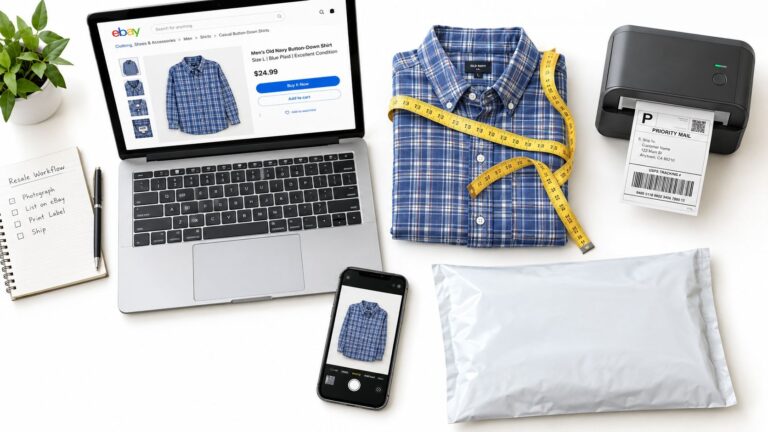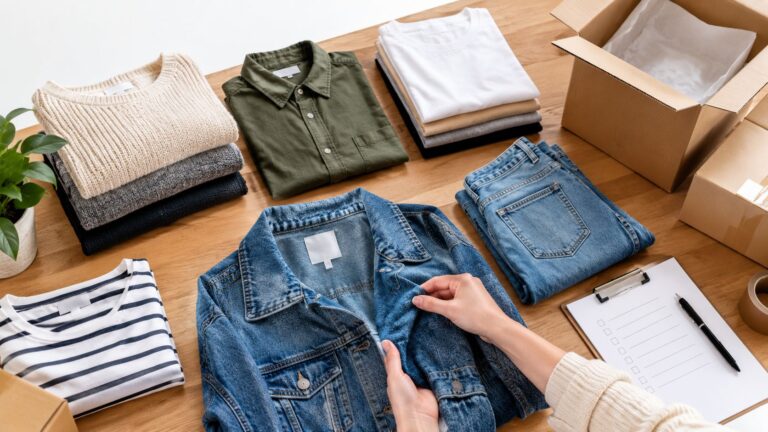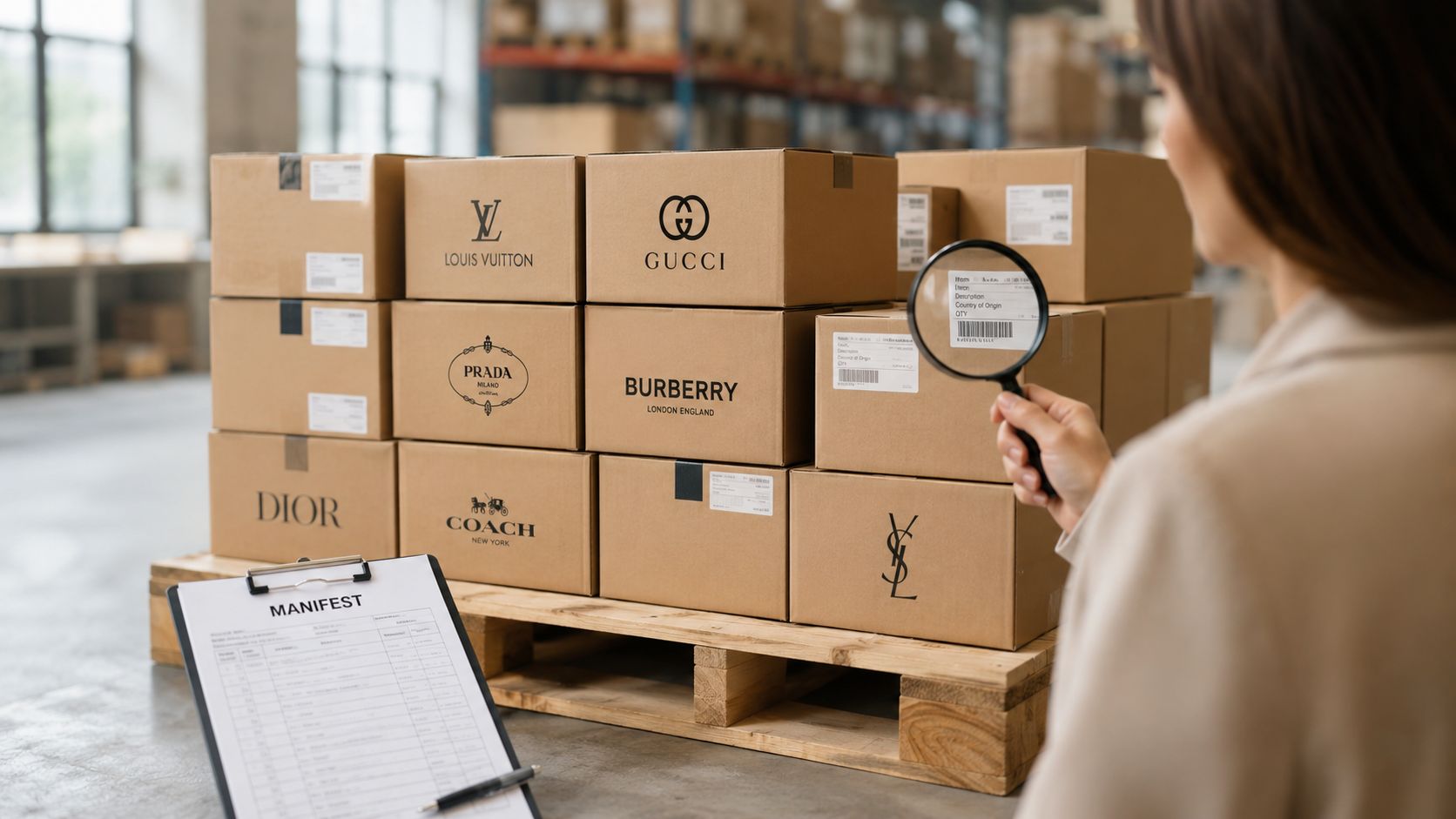
You're scrolling a pallet listing after a long day, and the photos look promising, branded tees, familiar denim labels, maybe a few premium names you know your customers ask for. The price seems low enough to feel exciting, but not low enough to ignore the risk, and the question hits fast, is this a smart first buy, or expensive sorting practice?
That's the exact spot where most new boutique owners, Whatnot hosts, and marketplace sellers get stuck. Brand Name Clothing Pallets can be a strong source of inventory, but only if you understand what's inside, how condition affects labor, and why the listed retail total is never the same thing as your real recovery.
Table of Contents
- Introduction to Brand Name Clothing Pallets for New Resellers
- What Brand Name Clothing Pallets Are and How They Work
- Why Liquidation Pallets Exist and Where Secondhand Demand Is Heading
- Where to Source Brand Name Clothing Pallets You Can Trust
- How Pricing and Manifests Determine True Pallet Value
- Grading Quality and Condition Expectations Before You Buy
- Smart Buying Tips to Turn Pallets Into Profit
Introduction to Brand Name Clothing Pallets for New Resellers
A new reseller usually sees two things at once, opportunity and uncertainty. The opportunity is obvious, branded inventory can support a stronger store identity than random clothing. The uncertainty comes from not knowing whether the pallet is mostly ready-to-list stock or a pile of items that will need washing, repairs, relabeling, and patience.
That confusion is normal. A pallet isn't just a bigger box, it's a wholesale decision about how much work you want to absorb before you can sell a single unit. A boutique owner trying to keep a curated feel, a live seller trying to keep product moving, and a marketplace seller trying to protect margins all need different answers to the same question.
Practical rule: don't ask only what the pallet costs. Ask what each item will cost you after sorting, prep, and selling fees.
The good news is that the buying process gets much simpler once you understand the basic logic. Brand-name pallets sit inside a larger resale system where excess inventory, shelf pulls, and returns move from retailers into secondary channels. That means your job isn't to chase the cheapest pallet, it's to choose inventory that fits your selling channel and your time.
This guide starts with the basics and moves step by step into sourcing, grading, manifest math, and buying discipline. By the end, you'll have a clean framework for reading listings, comparing suppliers, and deciding whether a pallet belongs in your business or should stay on someone else's dock.
What Brand Name Clothing Pallets Are and How They Work
Think of a brand name clothing pallet like a bulk grocery case, except instead of one product in one box, you're buying a stacked shipment of apparel that's been grouped for wholesale resale. The clothes are usually from recognized labels, and the lot may include overstock, shelf pulls, customer returns, or mixed condition pieces. What you're buying is not just inventory, it's a pre-sorted stream of sellable units.
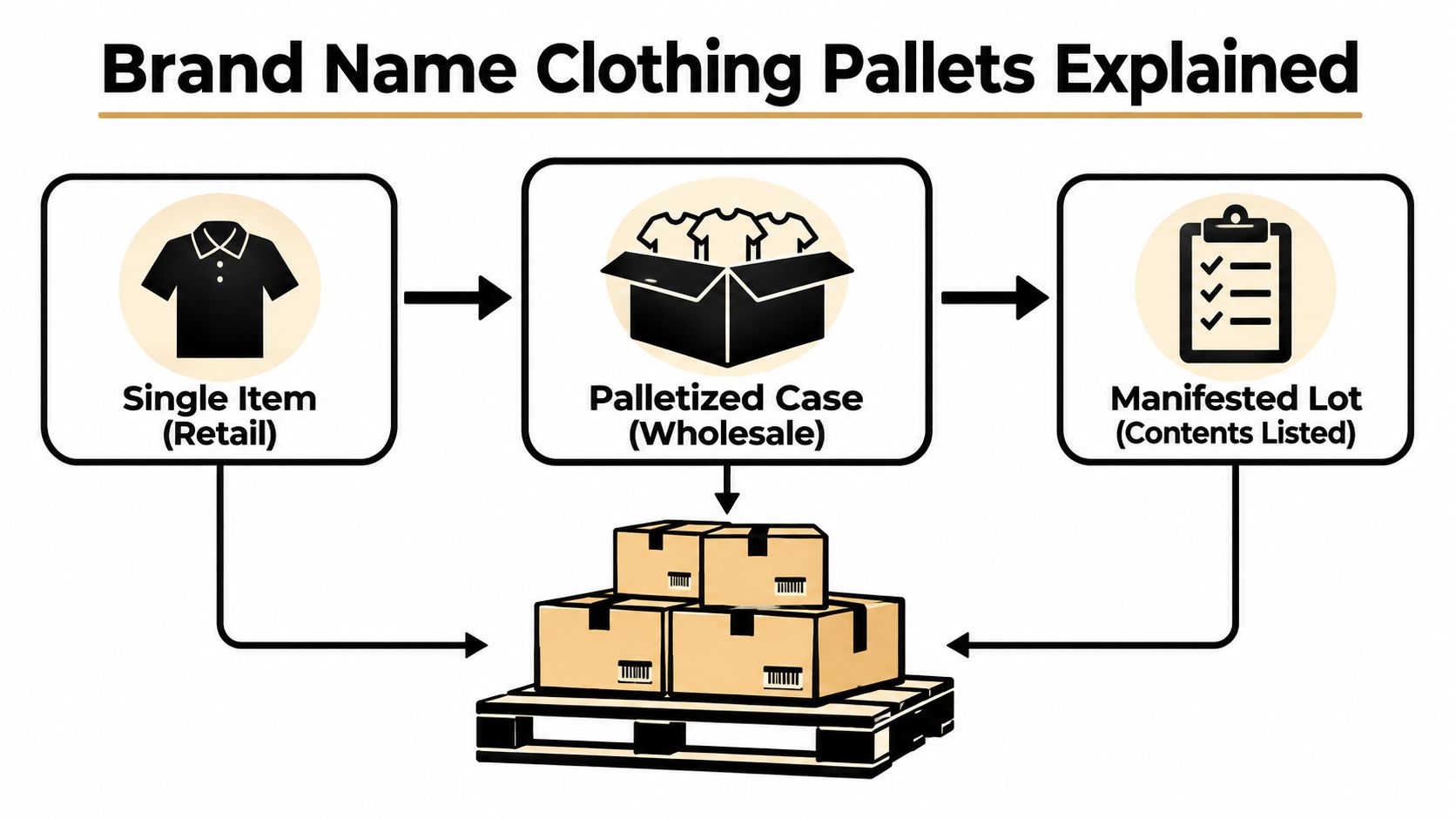
The simplest way to understand the format is to compare three levels of buying.
Single items versus bulk lots
A single retail item is easy to judge. You know the brand, the size, the condition, and the price. A pallet changes that equation because you're buying in volume, and the value comes from the mix, not just the sticker on one piece.
A palletized lot is the wholesale middle ground. It's more structured than random thrift sourcing, but less exact than cherry-picking individual pieces. That's why sellers who understand their customer base can do well here, while sellers who want total certainty often struggle.
Manifested lots and blind lots
A manifested lot lists expected contents, quantity, retail value, and condition or grade. A blind lot leaves more to discovery, which can be useful for buyers who want flexibility, but it also raises the risk of getting sizes, seasons, or brands that don't match your store.
If your business depends on fast listing and predictable turnover, manifested inventory usually gives you a clearer planning edge than a mystery buy.
The format also affects storage and logistics. A small test box can be manageable in a back room, while a full pallet needs space, sorting time, and a plan for handling. That's why some suppliers structure their offerings from smaller trial boxes into larger custom pallets, so buyers can grow without jumping straight into a high-commitment order.
The main takeaway is simple. The pallet format turns clothing sourcing into a wholesale decision about volume, condition, and handling, not just about finding a cheap stack of shirts.
Why Liquidation Pallets Exist and Where Secondhand Demand Is Heading
A boutique owner looking at a pallet for the first time may see a pile of mixed clothing. A liquidator sees a way to move excess stock that stores could not sell at full price.
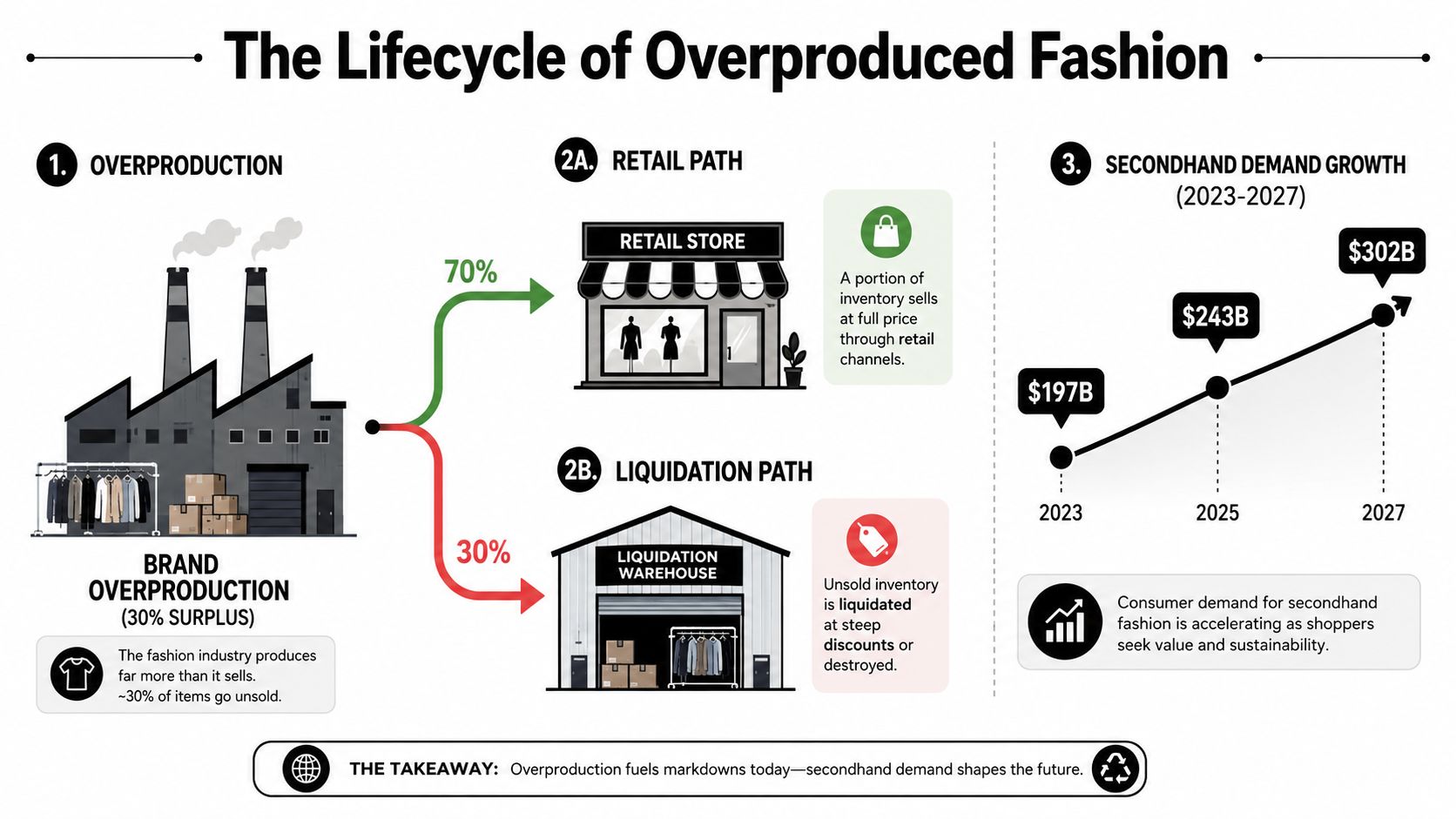
Liquidation exists because fashion systems create more inventory than stores can clear. One industry estimate says roughly 70 billion garments are unsold each year, and brands destroy about 12 million tons of clothing annually. In the U.S., the National Institute of Standards and Technology reports that only about 15% of used clothes and textiles are reused or recycled, while 85% go to landfill or incineration, and it cites EPA-based data showing each person in the United States discarded about 47 kilograms, or 103 pounds, of textiles in 2018. NIST textile recovery data
That excess needs an outlet, and resale demand gives it one. ThredUp and GlobalData estimated the global secondhand apparel market at $197 billion in 2023, projected to reach $350 billion by 2028 and $393 billion by 2030, which they said represents roughly 10% of total apparel spend and growth of about 2x to 3x faster than the overall apparel market. ThredUp resale report
Why branded goods keep moving
Branded items sell with less explanation. A shopper on eBay, Poshmark, Depop, or Vinted can recognize a known label faster than a generic description, so the item needs less persuasion and often less discounting to get attention.
That is where manifest math matters. A lot with stronger brands, cleaner grades, and clearer counts can recover more of its purchase cost because the buyer spends less time sorting, cleaning, and guessing. A lot full of lower-grade pieces may still be cheap upfront, but the labor to list and inspect each item eats into margin.
Why pallets are not a fad
Pallet sourcing is a response to oversupply, weak textile recovery, and steady secondhand demand. It turns extra inventory into a repeatable wholesale channel instead of leaving it stranded in storage or sent straight into waste streams.
For resellers, the decision is not just whether a pallet is cheap. It is whether the grade, manifest, and brand mix leave enough room for sorting, cleaning, and resale value after the labor is counted.
Where to Source Brand Name Clothing Pallets You Can Trust
Your source matters as much as the pallet itself. Two lots can look similar in a listing and behave very differently once they arrive, especially if one seller is transparent about contents and another is vague. The right sourcing path depends on how much control you want over brands, how quickly you need inventory, and how much uncertainty your business can tolerate.
Direct liquidators and auction platforms
Direct liquidation marketplaces and auction sites often give you access to wide inventory, but they also require sharper attention to detail. You'll usually see more variety, more competition, and more pressure to calculate your true landed cost before bidding. That can work well if you're comfortable reviewing manifests and treating every lot like a small finance decision.
Curated wholesale suppliers
Curated suppliers are different. They often structure orders around box size, brand mix, or custom quote requests, which can help a boutique maintain a consistent look. That matters if you don't want your store to feel like a random grab bag of labels and seasons.
One example is OneTrendyCloset's New York wholesalers clothing guide, which sits in the category of supplier education and sourcing support rather than mystery bidding. The useful part of this model is the ability to influence the mix before the boxes ship, which reduces the risk of unfocused inventory.
What to check before you commit
Use these filters before placing an order.
- Brand control: Ask whether you can request specific labels or exclude brands that don't fit your customer.
- Communication speed: Slow replies usually become slow problem-solving later.
- FAQ clarity: If the seller can't explain grading, shipping, and order flow clearly, expect confusion after purchase.
- Scaling path: Start with a smaller order, then move to a larger pallet only after you know the supplier's curation style.
- Channel fit: A boutique, a live-sale host, and an eBay seller may all want different brand mixes.
Practical rule: a supplier that helps you buy smarter once is useful. A supplier that helps you reorder smarter is worth much more.
The supplier question isn't about finding the flashiest site. It's about finding the source that matches your workflow, your store identity, and your ability to process inventory without creating chaos.
How Pricing and Manifests Determine True Pallet Value
The price on a pallet listing is only the starting point. The value shows up when you translate the manifest into expected recovery, labor, and risk. A manifest is the technical control document because it lists the expected SKU content, quantity, retail value, and condition or grade, which lets you estimate gross retail value before you bid.
That's useful, but it's not enough on its own. A high retail total can still produce weak results if the mix is heavy on difficult returns, odd sizes, or items that need extra prep. Supplier grade codes are not standardized, so one seller's “like new” can be another seller's “needs inspection.”
Reading recovery as a blended model
Published reseller frameworks commonly model new or overstock apparel at roughly 40% to 60% of retail recovery, open-box or like-new at 30% to 45%, customer returns at 25% to 40%, grade B or cosmetic-damage lots at 15% to 25%, and salvage at 5% to 15%. Recovery benchmarks
That range matters because it turns the manifest into a working estimate instead of a wish. If a pallet has mixed condition buckets, you should treat it as a blended recovery model, not as one neat percentage. The more the lot leans toward returns or damage, the more you need to reserve room for cleaning, repair, relabeling, missing-accessory replacement, and possible shrink.
A simple recovery table
| Condition Bucket | Typical Recovery of Retail | Labor and Risk Implication |
|---|---|---|
| New or overstock | Roughly 40% to 60% | Lower prep, faster listing, cleaner margins |
| Open-box or like-new | Roughly 30% to 45% | Some inspection, possible repackaging |
| Customer returns | Roughly 25% to 40% | More triage, defect checks, higher uncertainty |
| Grade B or cosmetic damage | Roughly 15% to 25% | Repair, disclosure, or discount pricing |
| Salvage | Roughly 5% to 15% | Parts, craft, or disposal planning |
Why the math protects you
Many first-time buyers go wrong. They compare asking price to the retail value on the manifest and forget that retail value is not recovery value. In real terms, your true cost includes time, storage, selling fees, and the risk that a portion of the pallet won't fit your channel.
Underwrite pallets on conservative recovery, not on the biggest number printed in the listing.
When you do that, bidding gets calmer. You stop chasing the highest retail headline and start deciding whether the lot can turn into cash in your shop, on your live show, or across your marketplace accounts.
Grading Quality and Condition Expectations Before You Buy
Grading is less about labels and more about workflow. A pallet that looks attractive on paper can become a headache if the condition mix demands more prep than your team can handle. That's why you want to think of grading as a labor decision first and a pricing decision second.
What the common buckets really mean
Overstock or new usually means the item should need minimal handling. Shelf pulls often need inspection and repackaging because they've been on display. Open-box lots can include items that were opened and returned to the sales cycle, so they usually need closer checks. Customer returns tend to require triage, testing, and a more cautious listing strategy. Salvage is often better suited to parts, repairs, or disposal planning than to mainstream resale. Condition buckets overview
The challenge is that grade codes are supplier-specific. A “B grade” lot from one source might be very different from another source's version of the same label. That's why experienced buyers read the description, ask follow-up questions, and avoid assuming that one grade means one universal condition.
Matching condition to sales channel
A cleaner lot usually fits better on channels where presentation matters, like boutique shelves or live selling. Heavier condition lots can still work, but they require a seller who can sort quickly and price realistically. If you rely on a platform where detailed photos and item descriptions drive conversion, the prep burden rises fast.
For a reseller who wants a practical inventory example, OneTrendyCloset's box of hoodies guide is a useful reference point for thinking about boxed apparel as a curated workflow rather than a mystery pile. The lesson isn't that every hoodie lot is simple, it's that the condition and presentation of the clothing decide how much time you spend before the first sale.
Watch for hidden friction
- Sellable sizes: Good brands don't help if the size run misses your customers.
- Seasonality: Heavy winter product can sit if you buy it too late.
- Prep load: Missing tags, minor flaws, and mixed packaging slow down listing.
- Shrink risk: The more mixed the pallet, the more carefully you need to count and sort.
Good grading tells you how much work the inventory will create, not just how good it looks in a photo.
If you treat grading as a workflow map, you'll buy with a clearer head. The cheapest pallet is not always the easiest pallet, and the easiest pallet is not always the most profitable one, but the right mix for your channel usually lands in the middle.
Smart Buying Tips to Turn Pallets Into Profit
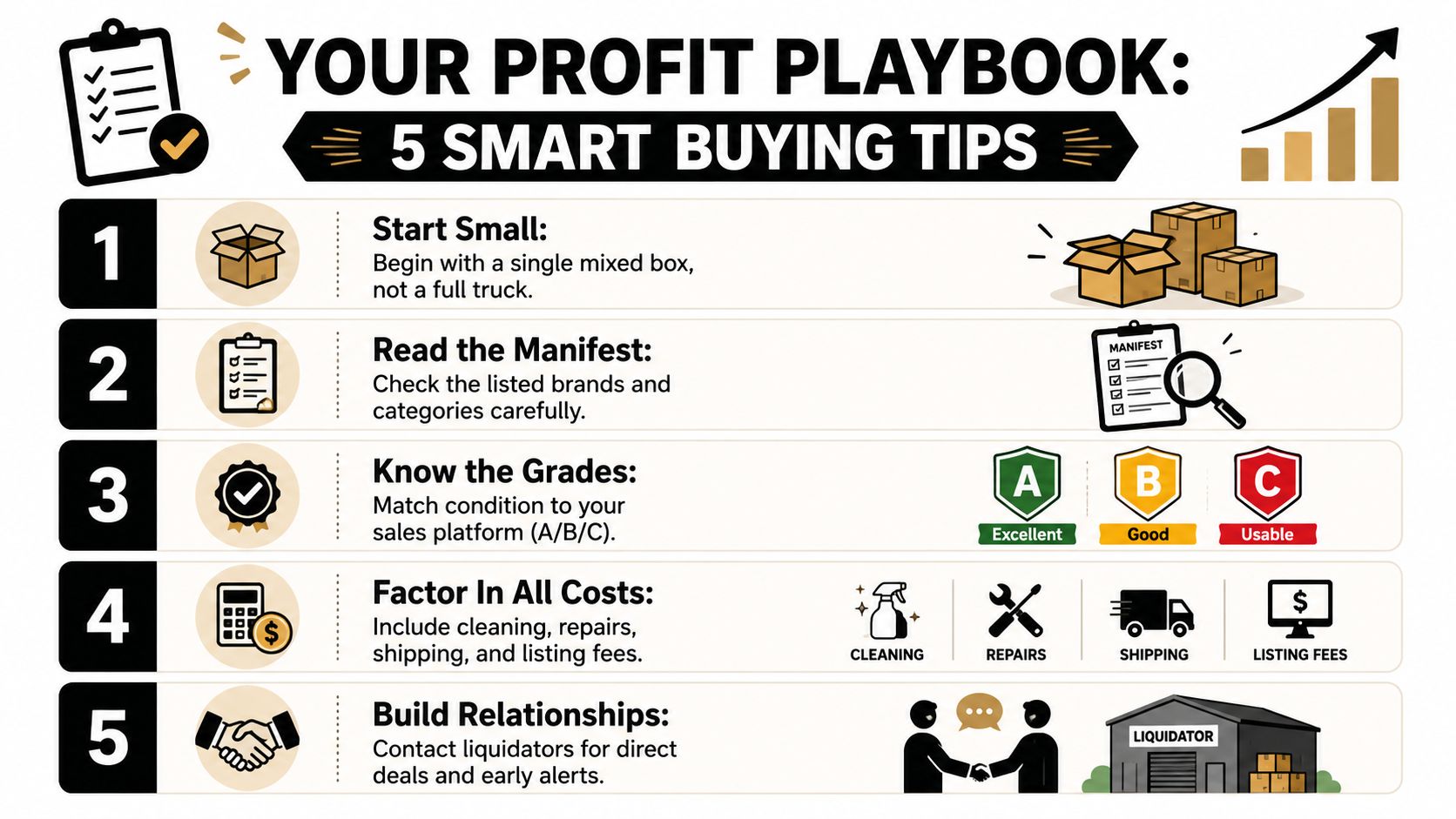
The smartest first purchase is usually the one that teaches you the most with the least chaos. Start with a smaller mixed box or a tightly described lot, then use that experience to decide whether you can handle larger volume, more condition variation, or a different brand mix. That approach protects your cash flow while giving you real data from your own sales channel.
A practical buying checklist
- Start small. A test order shows you how a supplier packs, labels, and communicates before you take on a bigger commitment.
- Read the manifest carefully. Look for brand mix, size spread, and condition notes, not just the retail total.
- Match grade to channel. Cleaner inventory usually works better where presentation matters, while mixed-condition lots need more time and more discounting.
- Count every cost. Include cleaning, repairs, shipping, storage, and marketplace fees when you estimate margin.
- Reorder from evidence. Track what sold fast, what sat, and what returned, then refine your next buy.
The video below is worth a watch if you want another way to think through pallet buying and inventory decisions.
Build around the supplier, not around the impulse buy
If one vendor can support smaller test boxes, custom pallet requests, and responsive follow-up, that gives you a steadier path than jumping between random listings. That's one reason some resellers prefer structured sourcing relationships over one-off auction wins. OneTrendyCloset's lots of clothing overview fits that model because it's about choosing inventory format with your sales plan in mind.
The best first pallet is rarely the biggest one. It's the one that helps you learn your real recovery rate, your prep burden, and the kind of brand mix your buyers move.
If you want a supplier that works with brand-name apparel liquidation boxes, mix-and-match brand selection, and custom lots for boutiques and marketplace sellers, visit OneTrendyCloset and review the current sourcing options for your next restock.