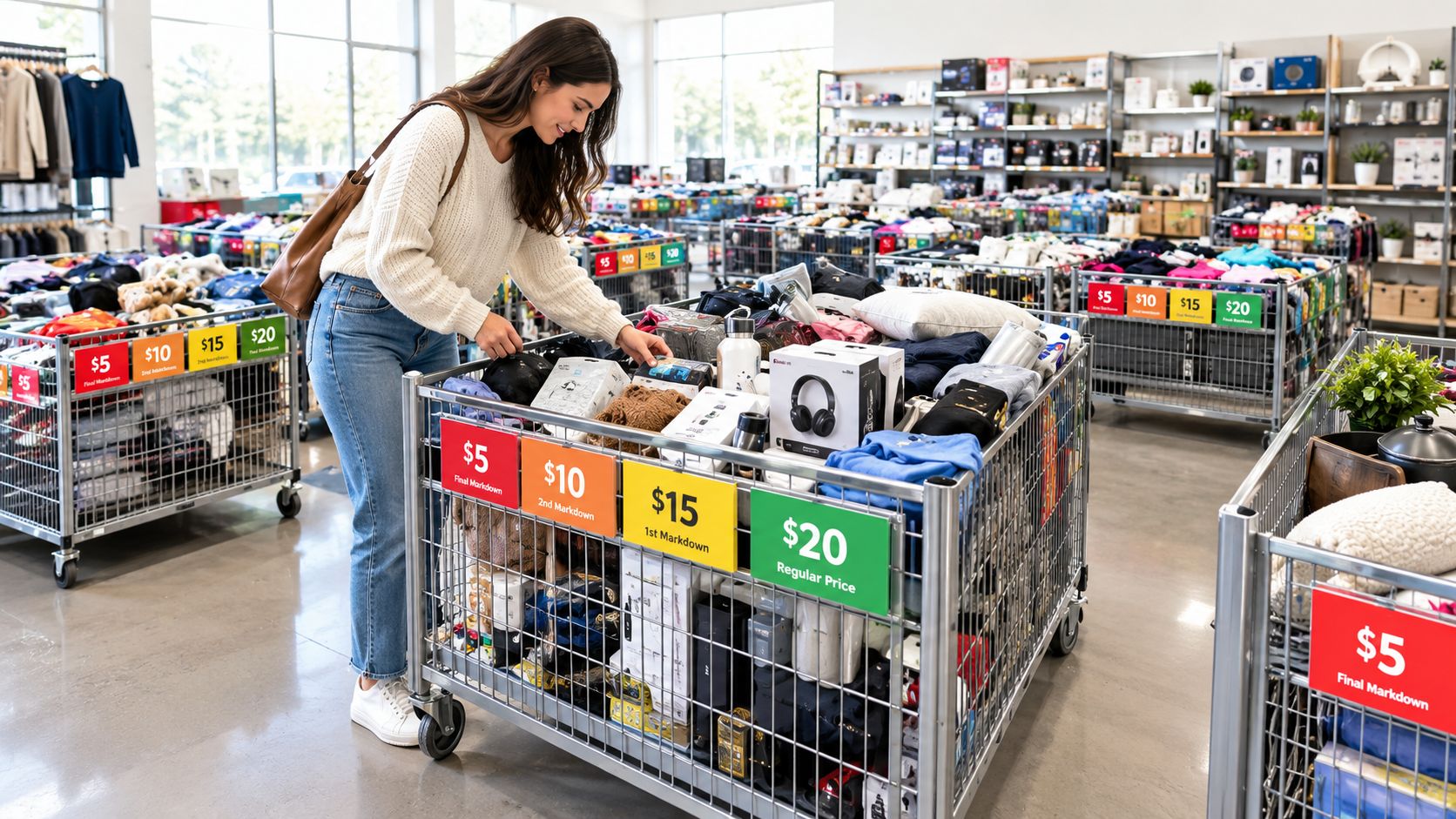
You walk into a bin store and reach into a rolling container without knowing exactly what you'll find. The item might be a sealed kitchen gadget, a returned pair of headphones, or an opened box with one accessory missing. There's no individual retail tag, only a sign showing the day's flat price.
That uncertainty is the point. A bin store turns mixed liquidation merchandise into a physical treasure hunt, but the format is more structured than it first appears. To understand what is a bin store, you need to follow the merchandise from the returns economy to the pallet, from the pallet to the bins, and from the first shopping day to the final markdown.
Table of Contents
- What Is a Bin Store and Why the Format Exists
- How a Bin Store Operates From Pallet to Sales Floor
- What Inventory Actually Ends Up in the Bins
- How Bin Stores Compare to Pallets and Other Liquidation Channels
- How Resellers Evaluate and Buy From a Bin Store
- Pros and Cons of Buying From Bin Stores
- The Future of Bin Stores and What Resellers Should Do Next
What Is a Bin Store and Why the Format Exists
On restock day, a shopper may see bins filled with returned kitchen tools, open-box electronics, apparel, and household goods. By the end of the pricing cycle, the same floor may hold fewer items at a lower flat price. That changing price is the operating idea behind a bin store.
A bin store is a fixed retail location that sells liquidation merchandise from large, open bins. Its stock may include customer returns, retail overstock, shelf pulls, and closeouts. Rather than pricing every product separately, the store assigns one price to items taken from the bins, then reduces that price on a set schedule as the sales cycle continues.
The format differs from a thrift shop, where donated goods are commonly priced one by one. It also differs from a flea market, where separate sellers set their own prices and manage their own stock. A liquidation marketplace sells merchandise in larger lots. A bin store divides those lots into individual purchases for shoppers, bargain hunters, and small resellers.
The simple definition: A bin store buys mixed liquidation inventory in bulk, places it in open bins, and uses time-based pricing to sell the pieces one at a time.
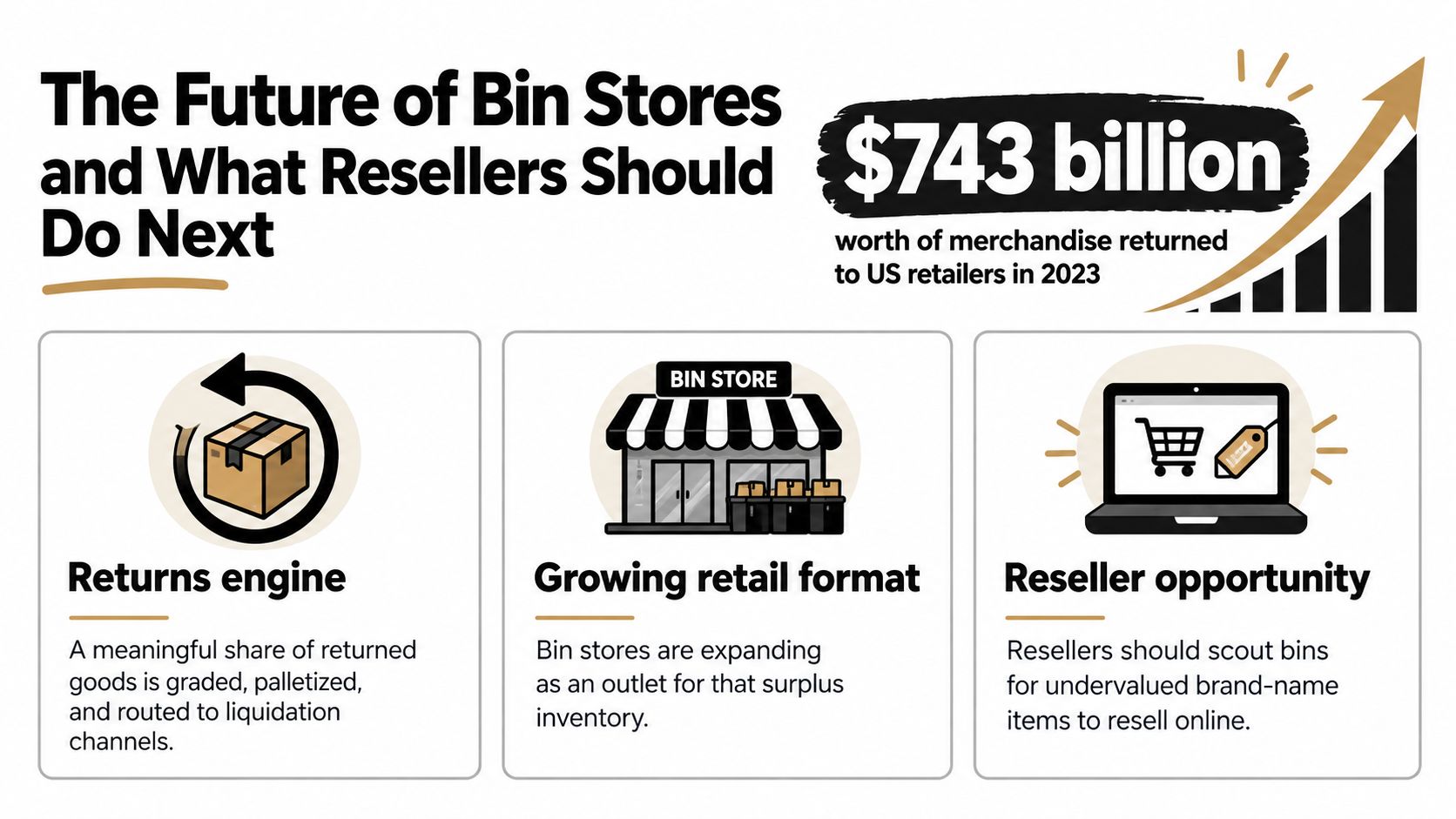
The model developed alongside online retail returns. The industry explanation of bin stores and the returns economy describes this merchandise as new and open-box liquidation goods, much of it from online returns, sold at a single price that falls over time. It also cites National Retail Federation estimates showing that 16.5% of sales were returned in 2022, compared with 10.6% in 2020. Once returned goods leave the normal sales channel, retailers need another route to recover value from them.
A middle layer in the resale chain
A retailer may lack the labor or shelf space to inspect, repackage, and resell every return. A liquidation buyer can take that inventory in pallets or truckloads, but an individual shopper usually does not want to purchase an entire lot. The bin store handles the gap between bulk liquidation and one-item shopping.
The flow is straightforward:
- Retailers and liquidators move surplus goods in bulk.
- Bin-store staff receive, sort, and distribute products across open containers.
- Shoppers and resellers select individual pieces based on condition and likely resale value.
- The store clears leftover stock through scheduled markdowns before the next restock.
Many stores receive shipments weekly and reset prices on a regular cadence. Shoppers are not returning to shelves stocked with the same products. They are buying from a rotating stream of surplus goods, while the weekly markdown gives the store a simple way to trade lower prices for faster inventory movement.
How a Bin Store Operates From Pallet to Sales Floor
A bin store's economics become easier to understand when you follow one shipment through the building. The store isn't just putting cheap products on a table. Staff are managing a mixed load under a deadline, with a price schedule designed to move whatever remains.
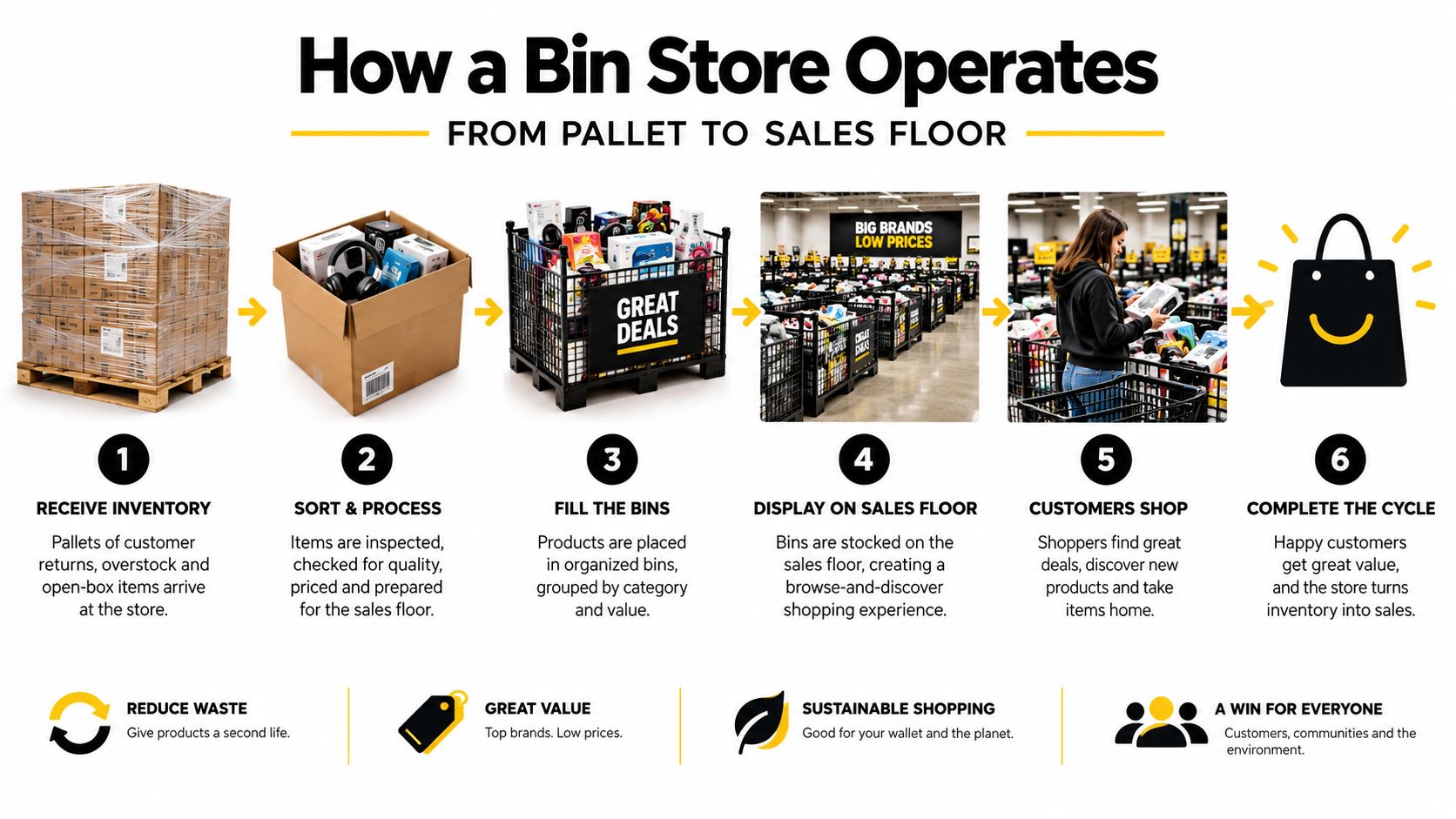
The operating cycle
The store buys liquidation inventory. Operators purchase pallets, truckloads, or other bulk lots from liquidation channels, retailers, and closeout sources. The merchandise may be broadly described rather than individually selected, so the buyer accepts a range of conditions and categories.
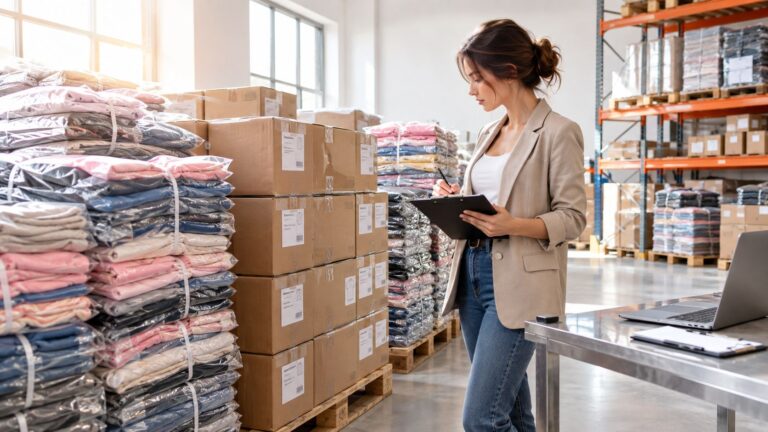
The shipment arrives at the back of the store. Staff unload cartons and pallets, then decide what can go into the bins, what needs separate handling, and what isn't suitable for sale.
Employees perform basic sorting and inspection. They may group products loosely into areas such as electronics, apparel, home goods, toys, or mixed merchandise. This isn't the same as a full retail quality-control process. The store needs enough organization for shoppers to browse while keeping labor under control.
Fresh stock goes onto the sales floor. The opening price is highest at the beginning of the cycle because shoppers are paying for first access to the newest load. A desirable item may be worth buying early, even when waiting would produce a lower price, because another shopper could take it first.
Remaining stock receives scheduled markdowns. The store lowers the flat bin price after set intervals. Some operators use posted daily prices, while others use tags, color codes, or another visible schedule.
Old stock is cleared and the floor is reset. The final markdown encourages shoppers to take items that survived earlier visits. Staff then remove leftovers, replenish or replace bins, and prepare for the next shipment.
The guide to liquidation-store pricing mechanics explains why this model works operationally. Selling by the piece at a flat price reduces the need for item-level tagging and detailed merchandising, while time-based price decay helps accelerate sell-through.
Why the weekly markdown changes buyer behavior
The schedule creates two different kinds of value. Early shoppers get better selection, while late shoppers get a lower acquisition cost on what remains. Neither group has a universally better strategy. A reseller looking for a specific brand or product category may accept the opening price, while a reseller focused on low-cost volume may wait for a later markdown.
For the operator, the rhythm protects the economics of a fresh load. The store can capture more value from attractive items early, then use progressively lower prices to move residual inventory without spending hours researching every individual product.
What Inventory Actually Ends Up in the Bins
The contents of a bin store aren't random in the sense of having no origin. They come from recognizable inventory streams, and each stream gives you clues about condition, packaging, and resale risk.
A market guide to bin-store merchandise describes the main supply as returned, overstocked, and shelf-pulled goods bought through liquidation wholesalers. The buyer's job is to connect the source of an item with the checks it needs before purchase.
The four common inventory streams
Customer returns often make up a substantial part of the assortment. A return may be unopened, lightly handled, tested, incomplete, or damaged. Look for opened seals, crushed packaging, missing cables, mismatched accessories, stains, and signs that a product was used rather than merely inspected.
Shelf pulls and retail overstock can be in new or near-new condition because the retailer removed the products for reasons unrelated to a customer defect. Packaging changes, seasonal rotation, slow sales, or a store reset can all push usable merchandise into liquidation. Check expiration dates on consumables and confirm that packaging hasn't been compromised.
Manufacturer closeouts and discontinued products may still be new and branded, but the product can be harder to sell if demand has moved on. Verify the model, size, compatibility, and market interest before treating a recognizable label as automatic value.
Mixed or unmanifested lots produce the widest range. The buyer may receive cartons or pallets grouped by broad category rather than by exact item. That uncertainty is one reason bin-store prices stay simple, but it also means you need a stronger inspection habit.
| Inventory Type | Source | Typical Condition | Reseller Implication |
|---|---|---|---|
| Customer returns | Online and retail buyers | Opened, tested, incomplete, or unused | Inspect function, parts, packaging, and hygiene |
| Shelf pulls | Retail store shelves | Often new, boxed, or handled | Check seals, dates, packaging, and current demand |
| Retail overstock | Unsold store inventory | New, with possible old packaging | Confirm the product still has an active market |
| Closeouts and discontinued SKUs | Manufacturers and retailers | Often new, with mixed sell-through potential | Research compatibility and buyer demand |
| Mixed or unmanifested lots | Bulk liquidation channels | Broad and unpredictable | Buy selectively and allow for more checking |
The price reflects the mix rather than the original retail ticket. A sealed item and a damaged return may sit beside each other at the same flat price, so the shopper creates value through selection. If you're learning how to assess assorted apparel lots, this guide to mystery box wholesale sourcing can help clarify why assortment, condition, and product focus matter.
How Bin Stores Compare to Pallets and Other Liquidation Channels
A bin store adds a retail layer to the same broad liquidation supply chain used by pallet buyers and truckload operators. The key difference is where the bulk is broken apart.
A direct buyer commits to a lot before seeing every individual product. A bin-store shopper can walk in, inspect an item, and purchase only that piece. That convenience usually comes with a higher cost per unit than buying a large lot, but it also reduces the risk of being stuck with unsellable inventory.
The sourcing landscape
| Channel | Buying Format | Capital Required | Sorting Effort | Best For |
|---|---|---|---|---|
| Bin store | Individual pieces from open bins | Low and flexible | Low at purchase, higher during inspection | New resellers, bargain hunters, and small tests |
| Pallet liquidation | One pallet containing mixed goods | Moderate | Significant after delivery | Resellers with storage and a defined process |
| Truckload liquidation | A large shipment of pallets or cartons | High | Extensive | Established operators with space and throughput |
| Online liquidation marketplace | Bids or purchases for lots listed online | Varies by lot | Depends on manifest and condition | Buyers comparing multiple suppliers and categories |
| Thrift or resale shop | Individually priced secondhand goods | Low to moderate | Mostly item-level selection | Buyers who want more visible condition and presentation |
The liquidation glossary covering pallets and truckloads describes loads of roughly 22 to 26 pallets, with pallet costs ranging from the low hundreds to the low thousands depending on category and condition. Those figures illustrate the scale difference, but they don't guarantee what any particular lot will cost or contain.
The trade-off between access and control
Pallet buyers may achieve a lower acquisition cost per piece, but they take on freight, storage, sorting, testing, listing, and disposal decisions. Bin-store shoppers avoid much of that upstream work, yet they have less control over the assortment and may find that the most appealing merchandise disappears before later markdowns.
A bin store is therefore a bridge, not a replacement for every channel. It can help a beginner learn which categories move, allow an experienced reseller to test a product type without buying a full lot, or provide quick replenishment when a larger shipment isn't practical. If you're ready to evaluate larger-volume sourcing, this overview of liquidation by the pallet offers a useful comparison point.
How Resellers Evaluate and Buy From a Bin Store
A productive bin-store visit starts before you pick up the first item. Decide whether you're shopping for personal use, quick flips, a particular category, or low-cost inventory for testing. That decision determines whether you should prioritize selection, condition, brand recognition, or the lowest available price.
Use a three-bucket evaluation
First, scan the bin rather than digging immediately. Look for category density. A bin filled with sealed accessories may suit an online seller, while a mixed container of damaged household goods could consume too much inspection time. Notice whether items are boxed, loose, heavy, fragile, or likely to require testing.
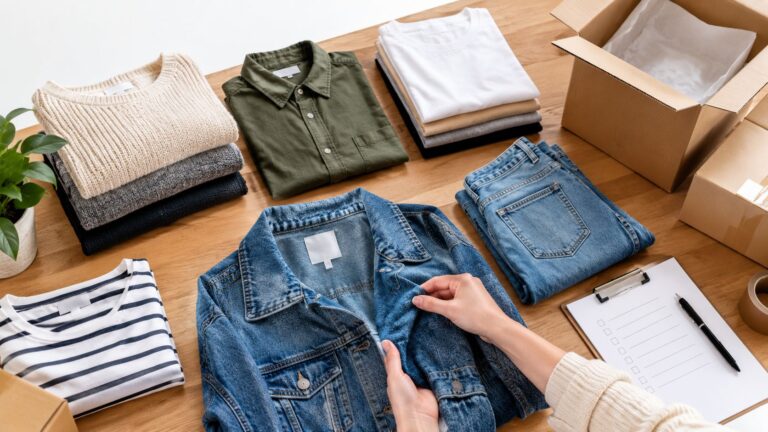
Second, inspect a sample item completely. Check the product itself, not just the package. For electronics, look for model numbers, ports, power supplies, battery compartments, and visible damage. For clothing, inspect fabric, seams, zippers, stains, tags, and odors. For beauty or personal-care products, examine seals and hygiene before considering resale.
Third, match your visit to your buying purpose. Early in the markdown cycle, you'll generally see more untouched selection. Later, the price may be more attractive, but other shoppers have already removed many of the easiest flips. The right day depends on whether you value choice or acquisition cost.
Practical rule: Treat every item as a small business decision. The bin price is only the starting cost, not proof of profit.
Bring a shopping bag or cart if the store allows it, and check the posted rules before filling one. Stores may differ in whether they accept cash, cards, or mobile payments, and some may require you to use store-provided equipment or pay before leaving with a personal bag. Don't assume a product can be returned. Ask about the policy before checkout.
Think in net margin, not sticker spread
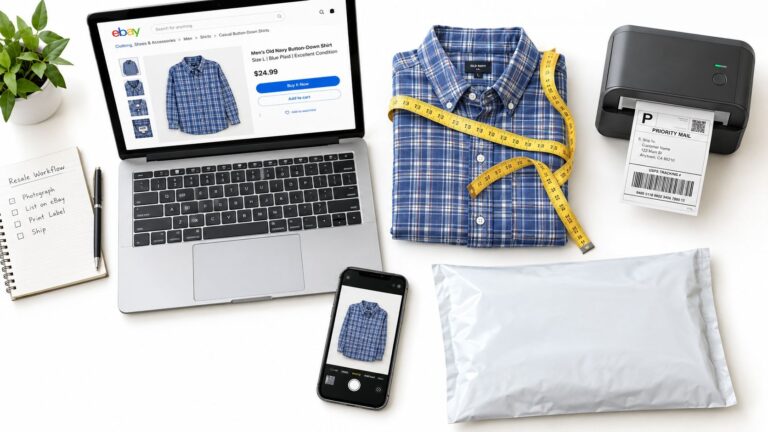
A product bought cheaply can still lose money after marketplace fees, shipping, cleaning, testing, packaging, refunds, and your time. Before buying, estimate the accurate resale price from comparable sold listings rather than optimistic asking prices. Then subtract every cost you can identify.
The best bin-store purchase is often not the item with the highest original retail value. It's the item you can verify quickly, describe accurately, ship efficiently, and sell through a channel where buyers already understand its value. For ideas on finding nearby sourcing options, see this guide to stores liquidating near you.
Pros and Cons of Buying From Bin Stores
Bin stores make liquidation accessible because they remove the pallet-sized commitment. You can examine merchandise in person, choose individual pieces, and learn a category without filling a garage with a mixed shipment. That flexibility appeals to new resellers and to experienced sellers who want occasional opportunistic buys.
The format also creates a hands-on advantage. A buyer can compare several similar products, reject damaged packaging, and avoid categories that require more testing. Brand-name apparel, electronics accessories, home goods, toys, and small appliances may appear in the same visit, although the mix changes from shipment to shipment.
Where the model helps
- Low minimum spend: You can test a product category with individual purchases instead of committing to a pallet.
- Physical inspection: You can check packaging, parts, stains, serial information, and visible wear before paying.
- Fast sourcing: A single visit may produce several different listing opportunities without waiting for freight.
- Flexible timing: You can choose an early visit for selection or a later markdown for lower-cost volume.
- Learning value: Repeated visits teach you which brands, categories, and conditions appear often enough to justify your time.
Where the model creates risk
The assortment is unpredictable. A store may have a strong week for small electronics and a weak week for apparel, then reverse the pattern at the next restock. You also won't receive the same information or guarantees that a carefully manifested wholesale lot might provide.
Time can become the hidden cost. Digging, testing, cleaning, photographing, listing, and storing many low-priced items may produce less profit per hour than buying a more focused lot. The business becomes harder when opening prices rise while liquidation supply tightens, because the operator has less room to absorb defects and slow sell-through.
Quality and safety need direct attention. Returns can contain missing parts, damaged batteries, used personal-care products, or items that require cleaning. Don't resell anything unsafe, counterfeit, recalled, contaminated, or impossible to verify. Treat most purchases as final sale unless the store clearly states otherwise. A guide addressing bin-store myths, returns, and inspection concerns notes that returns are typically final sale and recommends checking electronics, testing accessories, and sanitizing purchases.
The Future of Bin Stores and What Resellers Should Do Next
Bin stores exist because retailers need practical outlets for merchandise that no longer fits the standard sales floor. As online shopping expanded, returns and surplus inventory created more opportunities for liquidation buyers, and bin stores translated that bulk supply into a local retail experience.
The format is still viable, but viability doesn't mean every location will succeed. One industry analysis says liquidation supply has become tighter, competition has increased, and many new stores have entered saturated markets. It estimates that 20% to 30% of bin stores opened from 2023 through 2025 could close by the end of 2027, while also noting that stores often need 3 to 6 months to break even. Those are the source's estimates, not a guarantee for any individual operator, so local rent, sourcing access, labor, shopper demand, and inventory quality still matter.
What may change
Operators will likely keep testing ways to make the format more predictable without losing the treasure-hunt appeal. Possible developments include:
- Membership programs that give regular shoppers early access or special pricing.
- App-based inventory updates that show restock timing or highlight selected categories.
- More regional consolidation as weaker stores leave crowded markets.
- Blended retail models that combine bins with racks, thrift merchandise, overstock, or individually priced items.
- Stricter sorting and testing for electronics, beauty products, and other categories where defects create higher risk.
For resellers, the lesson is to treat a bin store as a sourcing experiment rather than a guaranteed income stream. Pick one nearby location and track the category, purchase day, condition, listing time, sell-through, and net margin over several visits. A simple record will show whether the store gives you repeatable inventory or only occasional bargains.
A useful decision: Keep the channel in your sourcing mix only if the inventory quality and resale margin justify the time spent finding, checking, preparing, and listing each item.
After your test period, compare bin-store sourcing with more focused wholesale options. If you need brand-name apparel in a curated assortment rather than mixed general merchandise, a supplier that lets you select box preferences or request a custom lot may fit your operation better than repeated treasure hunts.
If bin stores have shown you that you want to resell apparel without sorting through unrelated categories, visit OneTrendyCloset to explore curated brand-name liquidation boxes and custom lots. You can review options for boutiques, online marketplaces, and live-sale businesses, then request an assortment aligned with your budget and preferred brands.